Universal Testing Systems

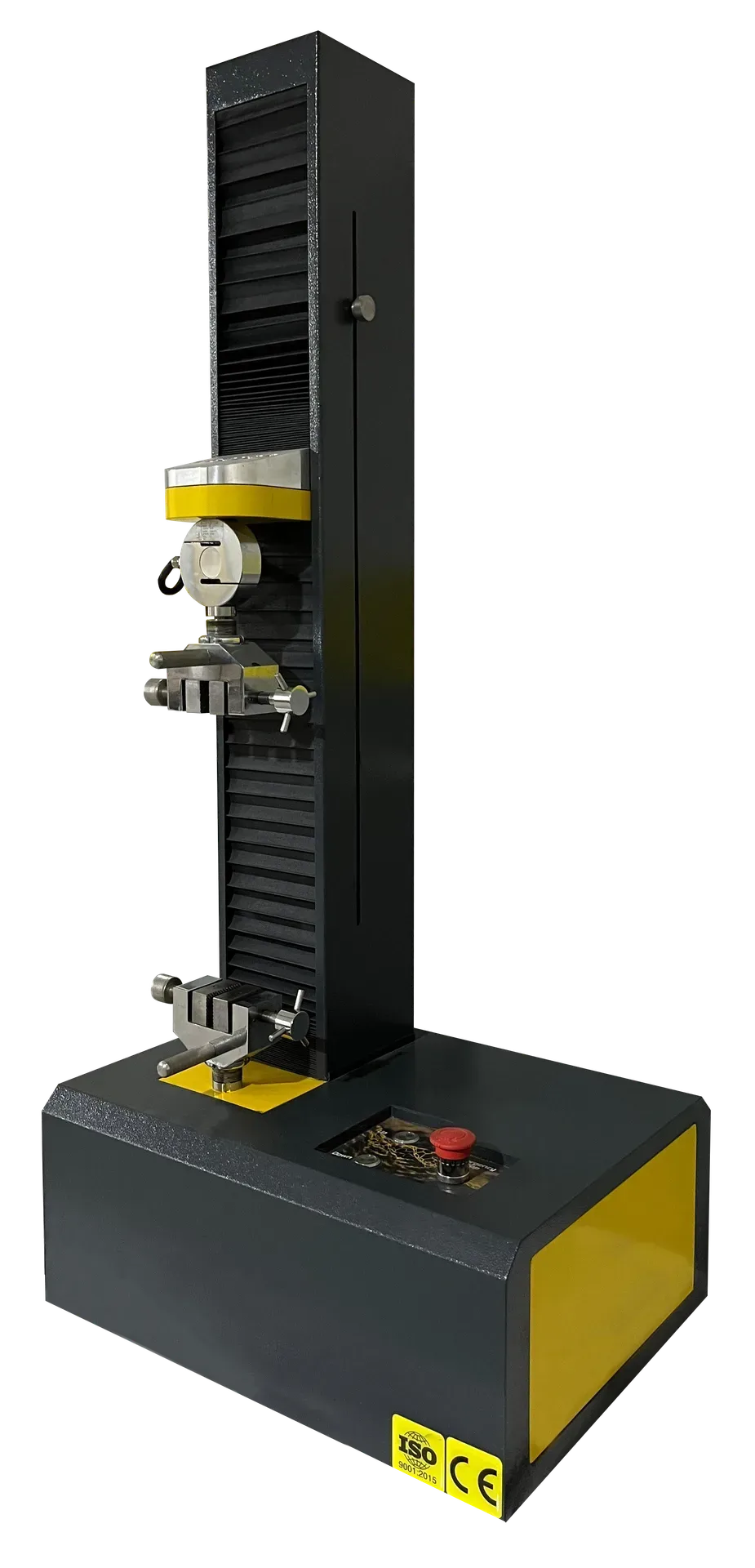
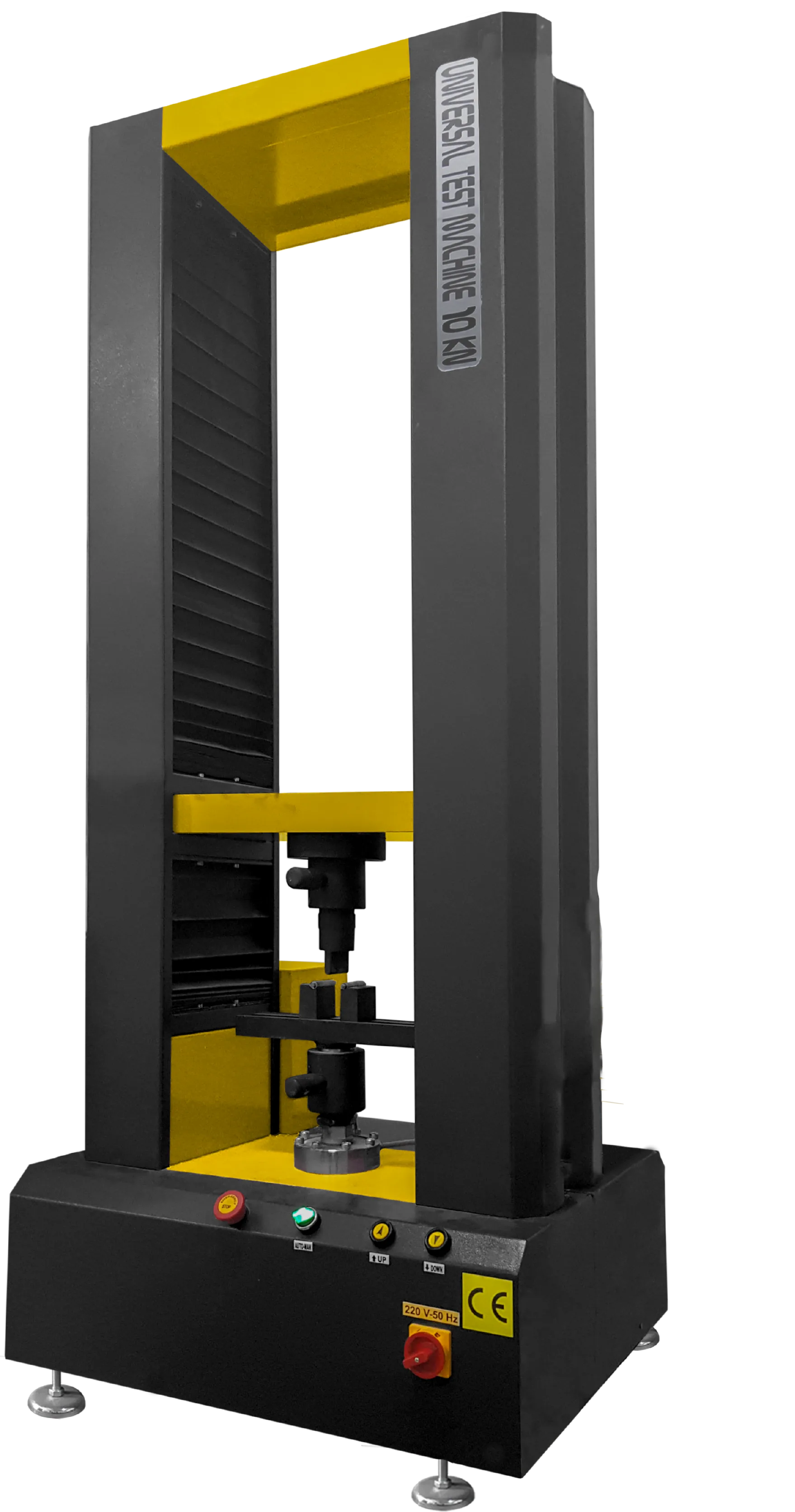
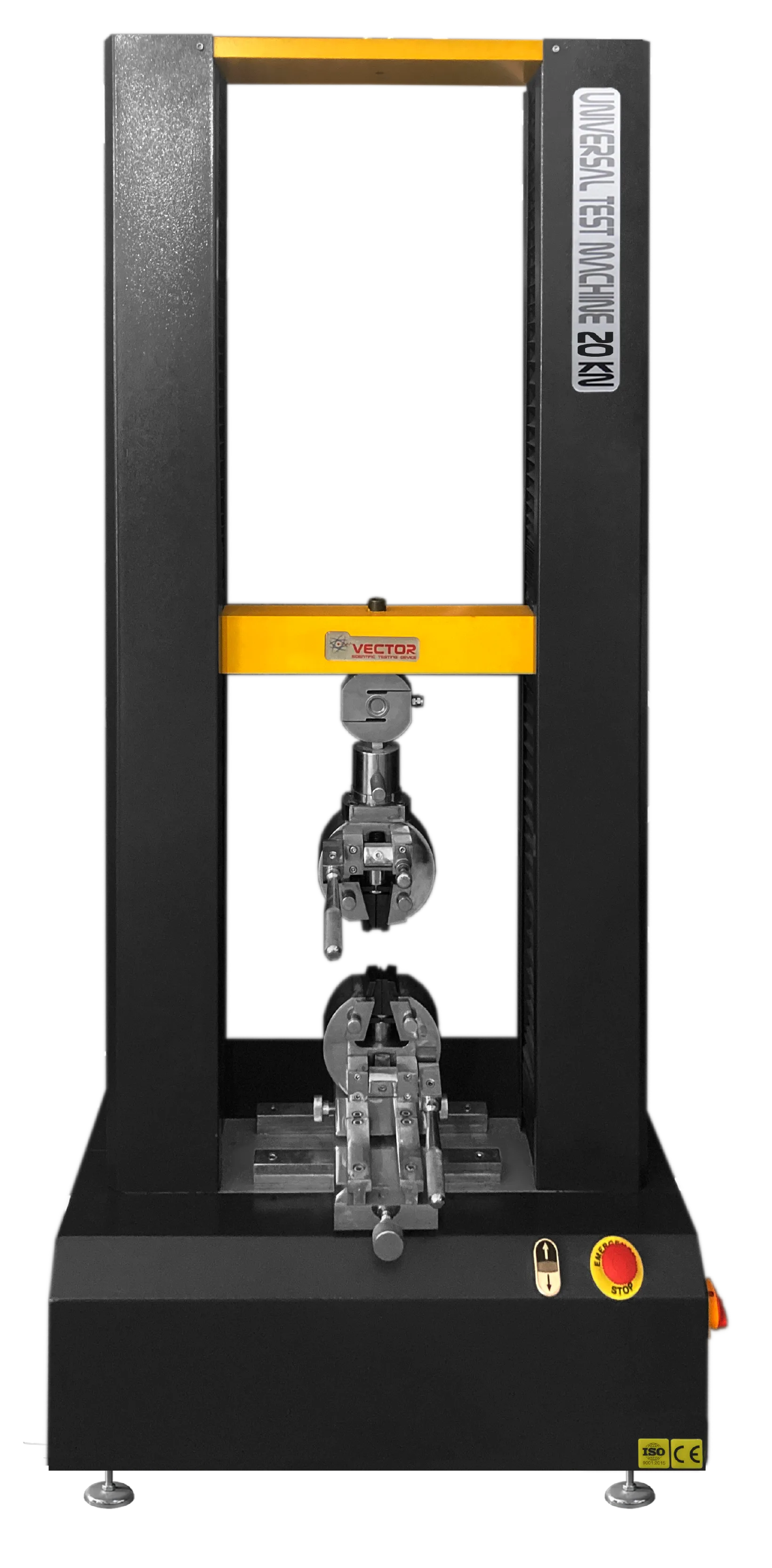
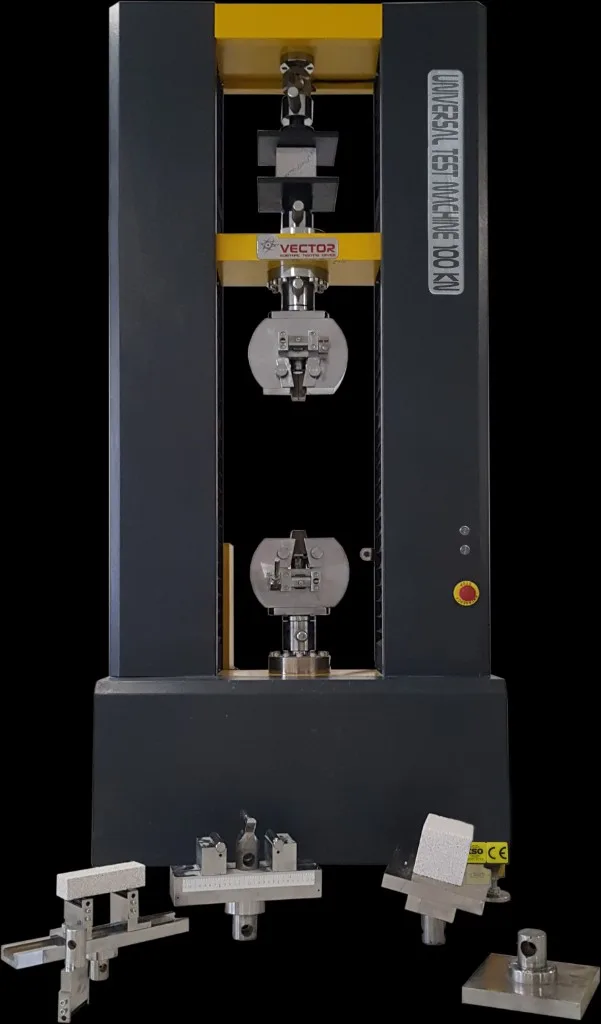
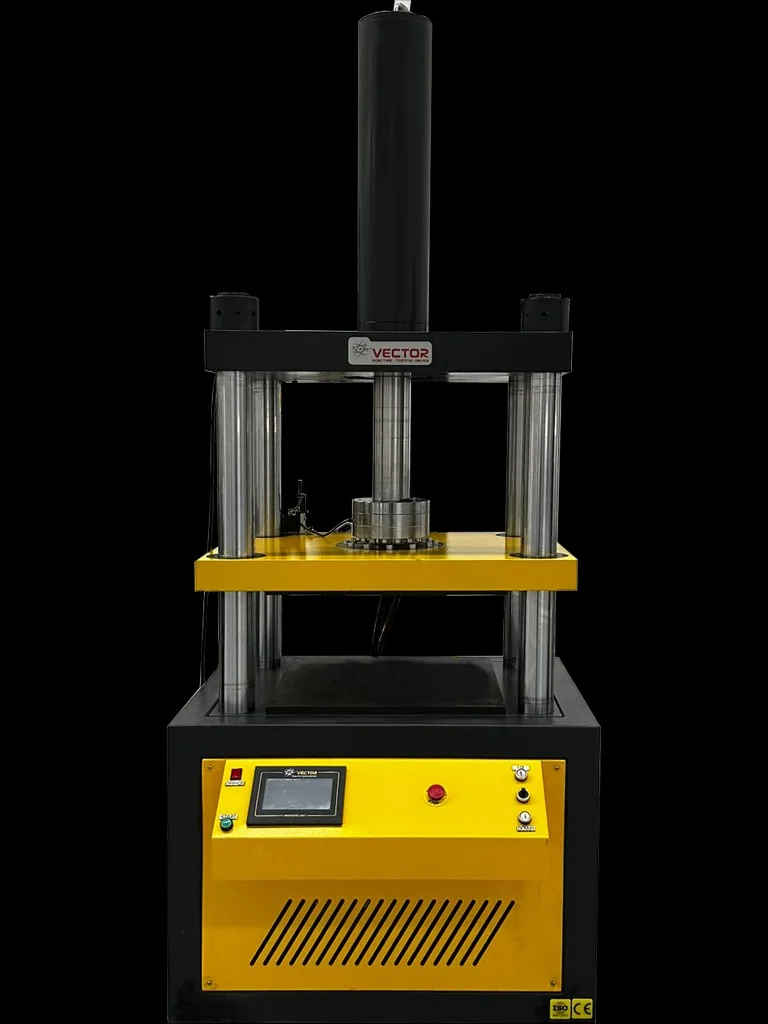
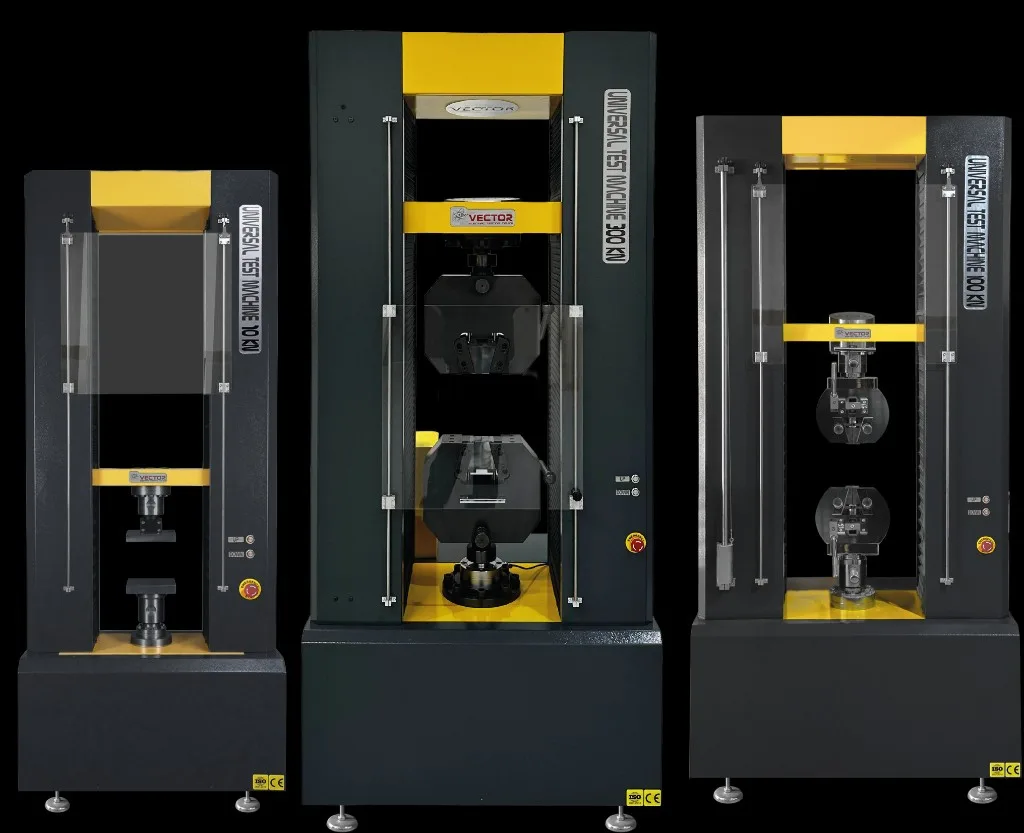
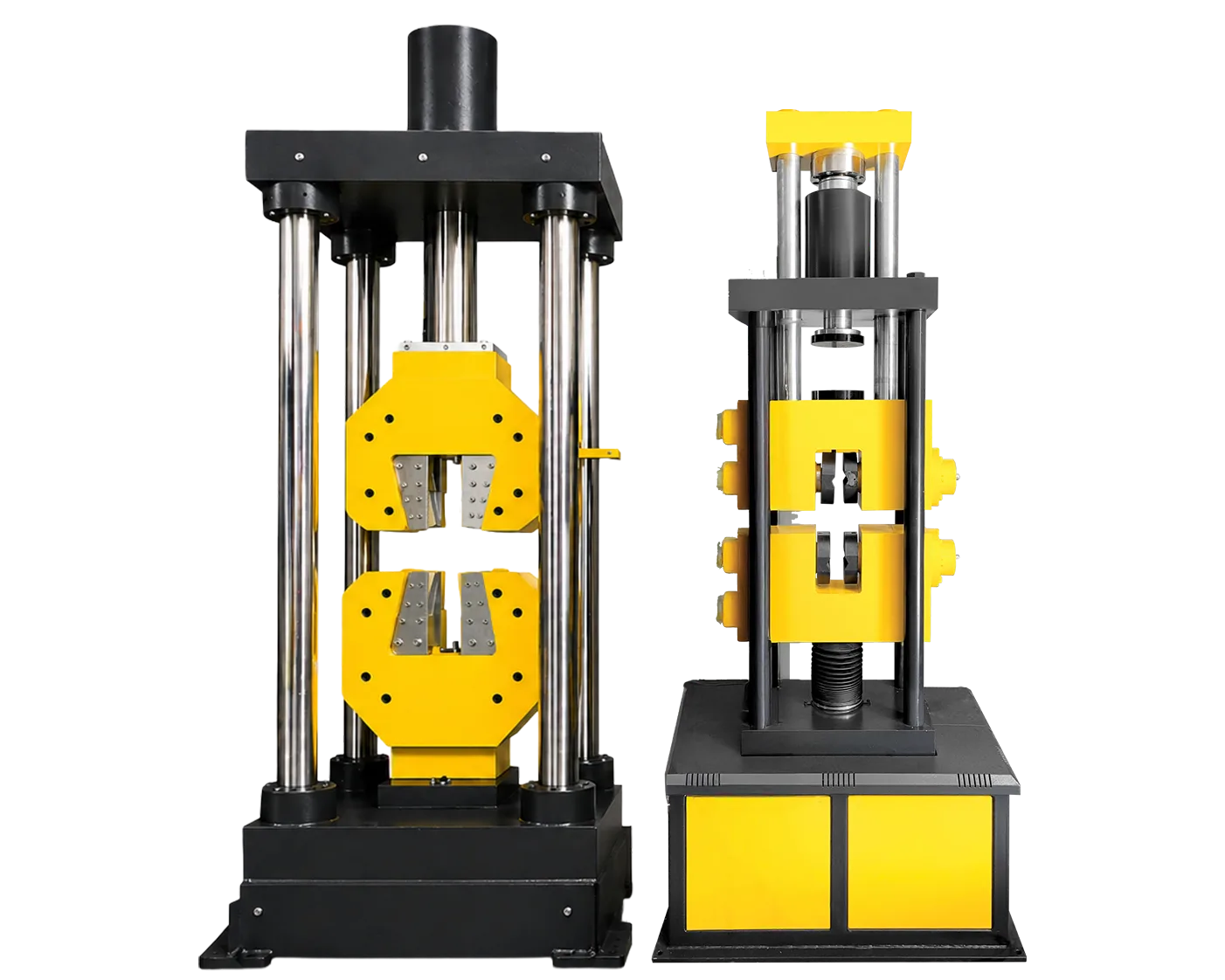
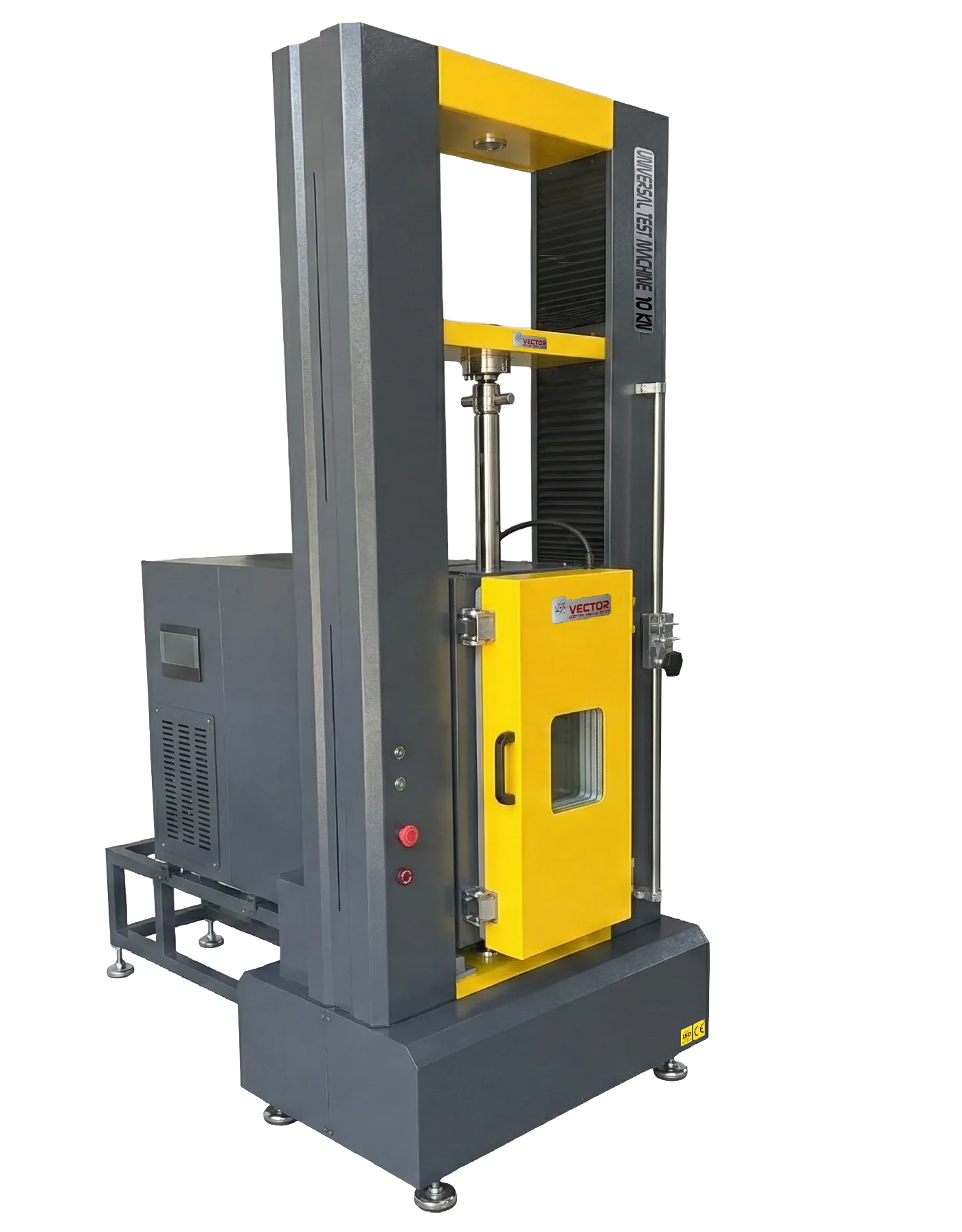
Our Universal Testing Systems are designed to provide reliability, versatility, and precise control across a wide range of materials and testing scenarios. We offer both hydraulic and electromechanical UTM solutions that ensure consistent load application, smooth operation, and compliance with international standards. For your specific needs, our engineering team can develop customized systems tailored to your unique testing requirements, delivering the performance and accuracy you expect from a trusted industry leader.

Previous slide
Next slide

Our Universal Testing Machines are equipped with a comprehensive range of advanced features designed to ensure precise, reliable, and repeatable material testing. Each system includes automated load control for consistent force application, high-resolution load cells and displacement sensors for accurate data collection, and modular frames that allow easy customization and scalability for various test setups.

Interchangeable grips and fixtures enable the testing of a wide variety of materials — including metals, plastics, composites, rubber, textiles, and more — without needing to switch machines. Integrated safety interlocks and overload protection systems ensure operator safety and equipment longevity during high-stress testing procedures.

The systems are built for long-term operational stability, with robust mechanical structures and industrial-grade components that minimize maintenance requirements. Each unit complies with major international testing standards such as ISO 6892, ASTM D638, EN 10002, and others, ensuring global certification compatibility.

Additional intelligent features include touchscreen interfaces, programmable test routines, remote control and monitoring options, and compatibility with advanced software for real-time data analysis and automated reporting. These features make our testing machines ideal for use in quality control laboratories, research and development centers, universities, and production lines requiring high-throughput, standards-compliant mechanical testing.

Whether you are conducting tensile, compression, flexural, or cyclic fatigue tests, these key features are engineered to deliver the precision, reliability, and performance demanded by modern materials testing applications.

Our Universal Testing Systems are engineered to perform a wide range of mechanical tests including tensile, compression, bending (flexural), shear, creep, fatigue, and other material strength evaluations with high accuracy and repeatability. These systems are suitable for both quality control and research-grade testing environments.

They are widely used across multiple industries such as aerospace, automotive, metal and alloy manufacturing, plastics and polymer testing, composites engineering, civil and construction materials, medical devices, and academic or industrial research laboratories. Each system is designed to meet the rigorous demands of sector-specific standards like ISO, ASTM, EN, and DIN, making them ideal for both standardized and custom test procedures.

Whether testing the tensile strength of steel bars in construction, the elasticity of rubber seals in automotive applications, or the bending properties of composite panels in aerospace structures, our machines offer the flexibility and performance needed for diverse material testing requirements.

For every application type, we provide tailored configurations including recommended grips, extensometers, fixtures, environmental chambers, and control software profiles. Additionally, documented case studies and industry-specific testing scenarios can be shared to support your setup and ensure compliance with testing protocols.

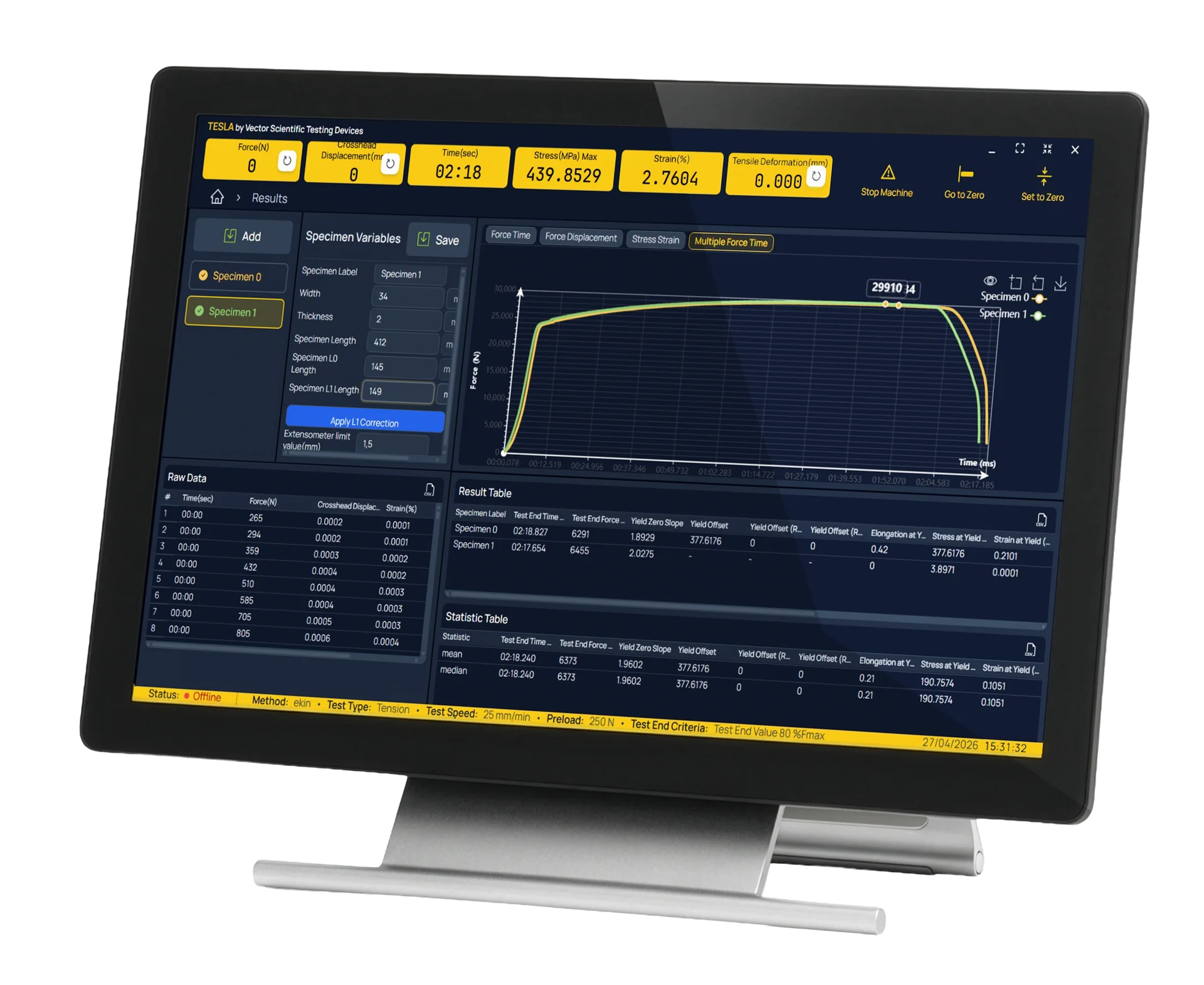
Our Universal Testing Machines are powered by advanced our Tesla Software that provides complete control over tensile, compression and for bending tests. Designed for high-precision and real-time data acquisition, the software ensures accurate measurement, intelligent automation, and efficient reporting in line with global testing standards such as ISO 6892, ASTM D638, EN ISO 527, and others.

The user interface supports full test cycle control — from specimen setup and sensor calibration to test execution, result analysis, and automated report generation. Users can configure parameters such as specimen dimensions (length, width, diameter, gauge length), test speed, load limits, holding times, and breaking conditions with ease. Real-time display of force, stress, strain, displacement, and extension values ensures full visibility during critical testing moments.

The software enables secure user access, system calibration logging, and batch processing features, making it suitable for quality assurance labs, R&D departments, and production environments. For laboratories requiring traceability and compliance, all test data and calibration settings are stored automatically for audit and verification purposes.

Whether you’re performing a standard tensile test or designing a custom loading sequence, our software delivers reliable control, flexibility, and compliance with even the most demanding testing protocols.

.
Previous slide
Next slide

Our Universal Testing Machines are designed with a modular architecture, allowing for extensive customization to meet unique testing requirements across different industries and materials. Whether you’re working in automotive component testing, aerospace materials evaluation, construction-grade material verification, or research-driven test protocols, we offer a wide range of tailored configurations and optional accessories to enhance functionality and performance.

Customization options include:

  • Specialized fixtures and grips for irregular or non-standard sample geometries (e.g., wire, film, foam, textile, composites)

  • Extended frame sizes and test space modifications for larger specimens or non-standard test setups

  • Multi-axis load cells for simultaneous testing of tension, compression, and torsion

  • Environmental chambers for conducting tests under controlled temperature and humidity conditions

  • High-precision extensometers, including video, laser, or mechanical types, to meet specific measurement needs

  • Custom software modules designed for complex test sequences or industry-specific standard

Check out Vector Universal Testing System Equipments

Our Universal Testing Systems are designed for reliability, versatility, and precise control across a wide range of materials and test scenarios. We offer both hydraulic and electromechanical UTM solutions that ensure consistent load application, smooth operation, and compliance with international standards. For specialized requirements, our engineering team can develop custom-built systems tailored to your unique testing needs, delivering the performance and accuracy you expect from a trusted industry leader.

Electromechanical Universal Testing Machines

What’s a Universal Testing Machine?

A Universal Testing Machine (UTM) is a versatile device used to evaluate the mechanical properties of materials under various loading conditions, such as tension, compression and bending. It measures parameters like load, stress, strain, and elongation to determine the strength and deformation characteristics of metals, plastics, composites, and other materials.

By simulating real-world forces, the UTM helps engineers, manufacturers, and researchers ensure materials meet quality standards and design requirements. Its flexibility makes it an essential tool across industries such as construction, automotive, aerospace, and material science laboratories.

Frequently Asked Questions About Universal Testing Machines

What Tests Can Be Performed on a Universal Testing Machine?

A Universal Testing Machine (UTM) is capable of performing multiple mechanical tests on a variety of materials. Common tests include tensile, compression, bending, shear, and peel tests, allowing for the measurement of properties such as strength, elongation, and deformation. These tests are essential for understanding how materials behave under different forces and conditions.

In addition, UTMs can be used to test metals, plastics, composites, rubber, and other industrial materials, making them highly versatile for laboratories, manufacturing facilities, and research centers. By providing precise and reliable data, UTMs help engineers ensure product quality, safety, and compliance with international standards.

How Universal Testing Machine Works?

A Universal Testing Machine (UTM) operates by applying controlled force to a specimen and measuring its response under different loading conditions. The specimen is securely held between two grips or fixtures, and force is applied through a load frame driven by either a screw mechanism or a hydraulic system. As the test proceeds, load cells and extensometers record precise data on force, displacement, and elongation.

The collected data is then processed by the testing software, which generates stress-strain curves and calculates key material properties such as tensile strength, yield point, modulus of elasticity, and elongation at break. This process enables engineers and researchers to analyze material performance accurately and ensure it meets specific design and quality standards.

How to Use a Universal Testing Machine?

Using a Universal Testing Machine (UTM) begins with preparing the specimen according to the required test standard and securely mounting it between the machine’s grips or fixtures. Once the specimen is positioned, the operator selects the desired test type—such as tension, compression, or bending—through the control software and inputs the relevant test parameters, including speed, load limit, and gauge length.

After starting the test, the UTM applies force gradually while sensors measure load and displacement in real time. The software records and displays the results as a stress-strain curve, from which key properties like tensile strength, yield stress, and elongation can be determined. Once the test is complete, the data can be exported for detailed analysis and quality documentation.

What is Universal Testing Machine Used For?

A Universal Testing Machine (UTM) is used to determine the mechanical properties and performance of materials under different types of loads. It helps measure key parameters such as tensile strength, compressive strength, elasticity, yield point, and elongation, providing essential data for design, production, and quality control processes.

UTMs are widely used in industries such as construction, automotive, aerospace, and material science to ensure that materials and components meet international standards and safety requirements. By simulating real-world forces, the UTM helps engineers and researchers verify that products perform reliably under expected working conditions.

How to Calibrate a Universal Testing Machine?

Calibrating a Universal Testing Machine (UTM) ensures that all force, displacement, and strain measurements remain accurate and traceable to international standards. The process begins by comparing the machine’s readings with those from certified reference instruments, such as calibrated load cells, extensometers, and displacement transducers. Each range of the machine is tested under controlled conditions to verify linearity, repeatability, and accuracy.

Calibration should be performed by qualified technicians or accredited laboratories using certified equipment in accordance with standards like ISO 7500-1 or ASTM E4. Regular calibration—typically once a year or after major maintenance—helps maintain the reliability of test results, ensures compliance with quality systems, and prevents measurement errors during material testing.

Tenile Test

A tensile test is one of the most common methods used to determine a material’s mechanical properties under tension. During the test, a specimen is gripped at both ends and pulled apart at a controlled rate until it breaks. This process measures key parameters such as tensile strength, yield point, elongation, and modulus of elasticity.

Tensile testing helps engineers and researchers understand how materials behave under stretching forces, ensuring they meet performance and safety requirements in applications such as construction, automotive, aerospace, and manufacturing.

Compression Test

compression test is performed to evaluate how a material behaves when subjected to a compressive load. In this test, the specimen is placed between two plates and compressed until it deforms or fails, allowing the measurement of important properties such as compressive strength, modulus of elasticity, and yield stress.

This test is essential for materials like concrete, metals, plastics, and composites, helping engineers determine a material’s ability to withstand crushing forces and maintain structural integrity under pressure.

Bending Test

A bending test evaluates a material’s ability to resist deformation under a load applied perpendicular to its length. During the test, the specimen is supported at two points while a force is applied at one or more points, measuring properties such as flexural strength, stiffness, and ductility.

This test is commonly used for metals, plastics, composites, and construction materials, helping engineers and researchers assess how materials perform under bending stresses and ensuring they meet safety and performance requirements.

Our Universal Testing Machines offer a wide testing range, capable of performing tensile, compression, bending, shear, and peel tests on a variety of materials, from delicate plastics to heavy metals. This versatility allows engineers and researchers to evaluate multiple material types and properties using a single, reliable machine.

By accommodating different specimen sizes, forces, and testing conditions, our UTMs provide the flexibility needed for diverse industrial and laboratory applications, ensuring accurate and consistent results across every test.

Our Universal Testing Machines are equipped with advanced safety features to protect both operators and equipment during testing. Built-in protective guards, emergency stop functions, and overload protection systems ensure that tests are conducted securely, minimizing the risk of accidents or damage.

In addition, the machines are designed to comply with international safety standards, giving laboratories and production facilities confidence that every test is performed in a controlled and secure environment.

Our Universal Testing Machines are designed for user-friendly operation, allowing both experienced engineers and new operators to conduct tests with ease. Intuitive software interfaces, clear displays, and straightforward control panels make setting up and running tests fast and efficient.

This simplicity reduces the learning curve, minimizes errors, and ensures that accurate, reliable data can be obtained consistently, even in high-volume testing environments.

Our Universal Testing Machines offer customizable configurations to meet the unique requirements of different materials, industries, and testing standards. From interchangeable grips and fixtures to adjustable load capacities and specialized testing modules, each machine can be tailored for optimal performance.

This flexibility allows laboratories and manufacturers to adapt their UTM to a wide variety of applications, ensuring precise results while maximizing efficiency and versatility in every testing scenario.

Our Universal Testing Machines feature advanced control software that simplifies test setup, execution, and data analysis. The software provides real-time monitoring, automatic calculations, and detailed reporting, allowing users to track material behavior with precision and efficiency.

With intuitive dashboards and powerful analysis tools, engineers and researchers can generate stress-strain curves, calculate key material properties, and export results seamlessly, ensuring accuracy and compliance with international testing standards.

Our Universal Testing Machines are engineered for precision and repeatability, delivering consistent and accurate results across multiple tests. High-quality load cells, extensometers, and calibration systems ensure that every measurement—from tensile strength to elongation—is reliable and trustworthy.

This level of accuracy allows engineers and researchers to confidently compare data, validate material performance, and maintain compliance with industry standards, making our UTMs an essential tool for quality control and research laboratories.

We provide global technical assistance to ensure that our Universal Testing Machines operate smoothly wherever they are used. Our experienced support team offers guidance on installation, maintenance, troubleshooting, and training, helping customers maximize the performance and lifespan of their equipment.

With prompt and reliable service available worldwide, laboratories and manufacturers can maintain continuous testing operations and resolve any issues quickly, ensuring minimal downtime and consistent, accurate results.

With years of experience in the field of material testing, our company has built a reputation for reliability and expertise. We understand the specific needs of laboratories, manufacturers, and research centers, delivering Universal Testing Machines that meet rigorous international standards.

Our long-standing presence in the industry ensures that customers benefit from proven solutions, high-quality products, and dependable support, making us a trusted partner for material testing worldwide.

Request a Quote

Request a Quote about our products

          Vector Scientific Testing Devices

             Ostim, 1357. Sk. No: 27, 06378                          Yenimahalle/Ankara/Turkiye

                       +90 312 386 18 34