



Charpy • Izod • Drop Weight
What Is Impact Testing?
A Complete Guide to Charpy, Izod, and Drop Weight Impact Testing for Material Laboratories
Impact testing is a standardised method for evaluating a material's ability to absorb energy and resist sudden fracture when subjected to a high-speed load or shock force.
What Is Impact Testing?
Impact testing is a standardized method used to evaluate a material's ability to absorb energy and resist sudden fracture when subjected to a high-speed load or shock force. Unlike static mechanical tests, impact testing simulates real-world dynamic conditions — such as collisions, drops, or sudden operational loads — to reveal how a material truly behaves under stress.
The results help engineers and quality control professionals identify material weaknesses, validate product designs, and ensure compliance with international safety requirements. In professional material testing workflows, impact testing is rarely performed in isolation — it is typically integrated alongside universal testing machines, hardness testers, and sample preparation systems to achieve a complete characterization of material performance.
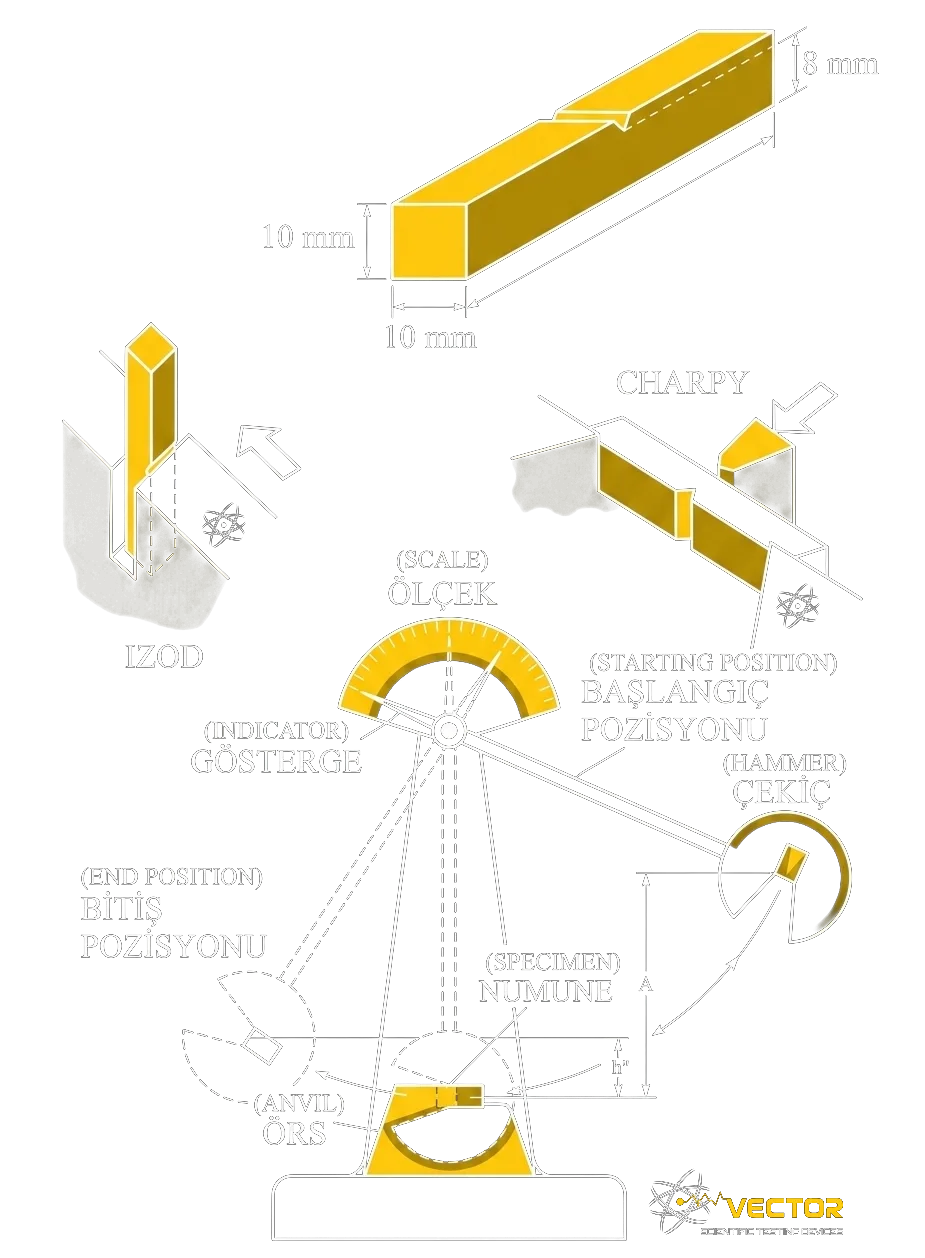
Charpy Impact Test
The Charpy impact test is one of the most widely used methods for measuring the toughness of metallic and non-metallic materials. In this test, a notched specimen (standardly 55 × 10 × 10 mm with a V-notch or U-notch) is placed horizontally and supported at both ends. A pendulum hammer is released from a defined height and strikes the specimen at its center, on the face opposite the notch. The energy absorbed by the specimen during fracture is recorded in joules (J), providing a direct measure of impact toughness.
One of the most critical applications of the Charpy test is characterizing the ductile-to-brittle transition temperature of BCC metals — particularly carbon and low-alloy steels — where energy absorption drops sharply as temperature decreases. This behavior is essential for selecting materials used in low-temperature environments such as offshore structures, pipelines, and pressure vessels.
Charpy Test Standards
- ASTM E23 — Metallic materials (Charpy & Izod methods)
- ISO 148-1 — International Charpy V-notch and U-notch testing for metals
- ASTM D6110 — Charpy impact resistance of notched plastics
- ISO 179-1 — Charpy impact properties of plastics
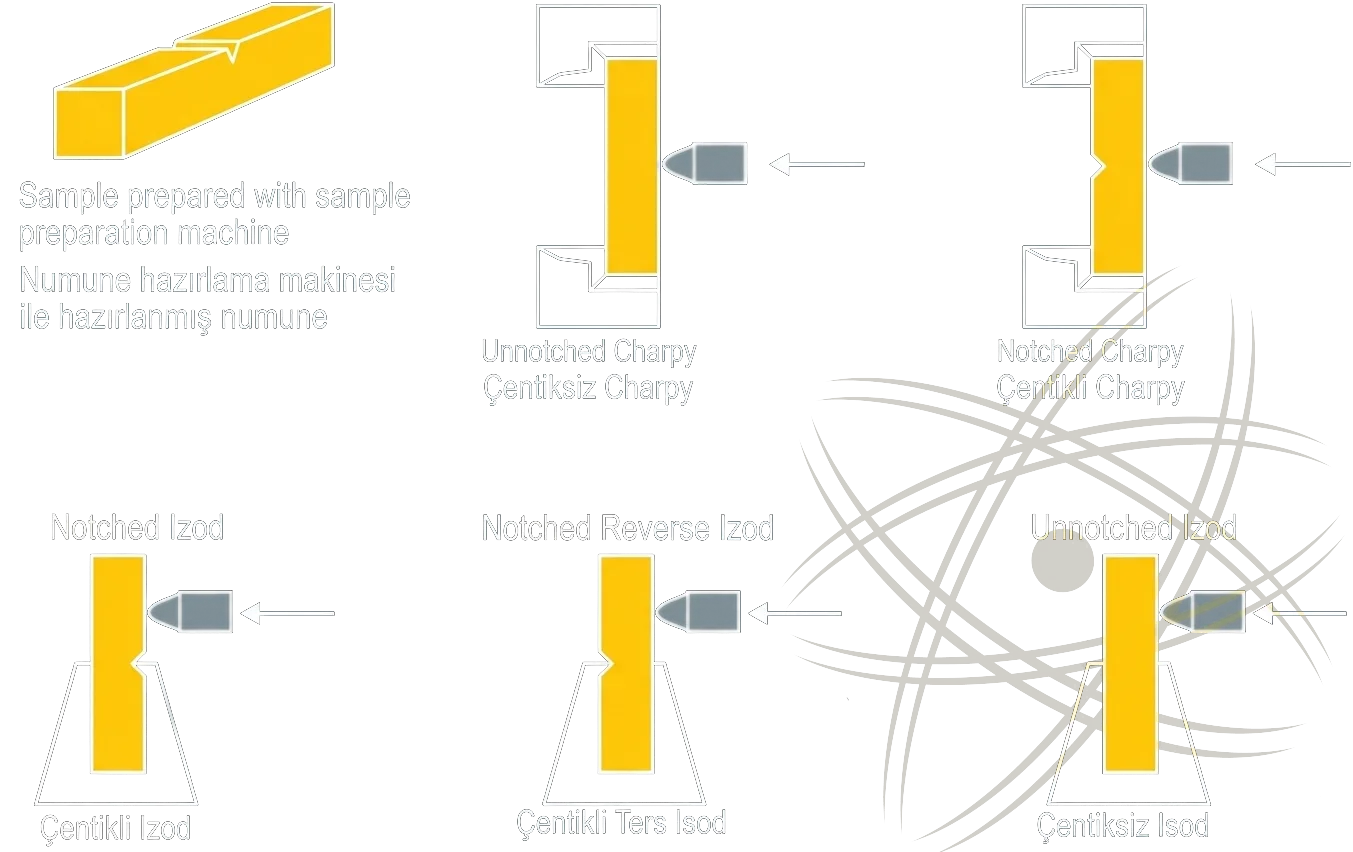
Izod Impact Test
The Izod impact test, first described by English engineer Edwin Gilbert Izod in 1903, shares many similarities with the Charpy method but features a key distinction in specimen orientation and clamping. In the Izod test, the specimen is clamped vertically as a cantilever, with the notch facing toward the pendulum. The hammer strikes the specimen above the notch, measuring the energy required to fracture the free end of the cantilevered sample.
The Izod method is particularly prevalent in the plastics and polymer testing industry, where it provides consistent and comparable data for quality control and product development. The test can also be performed in two orientations (edgewise and flatwise) on the same specimen for broader material characterization.
Izod Test Standards
- ASTM D256 — Izod pendulum impact resistance of plastics
- ISO 180 — Izod impact strength of plastics
- ASTM E23 — Izod method for metallic materials
- BS 131 — Classic British standard for Izod testing of metals
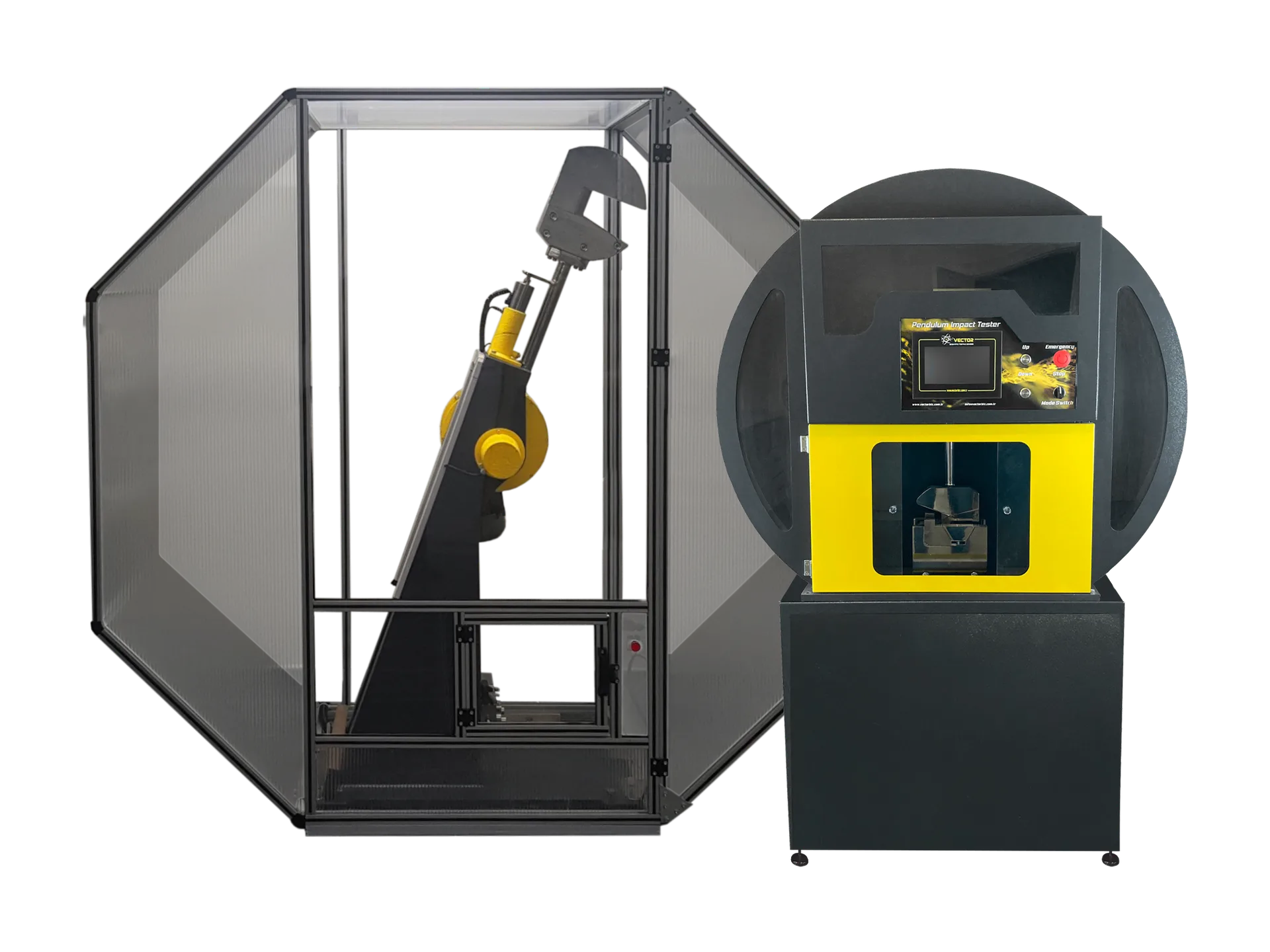
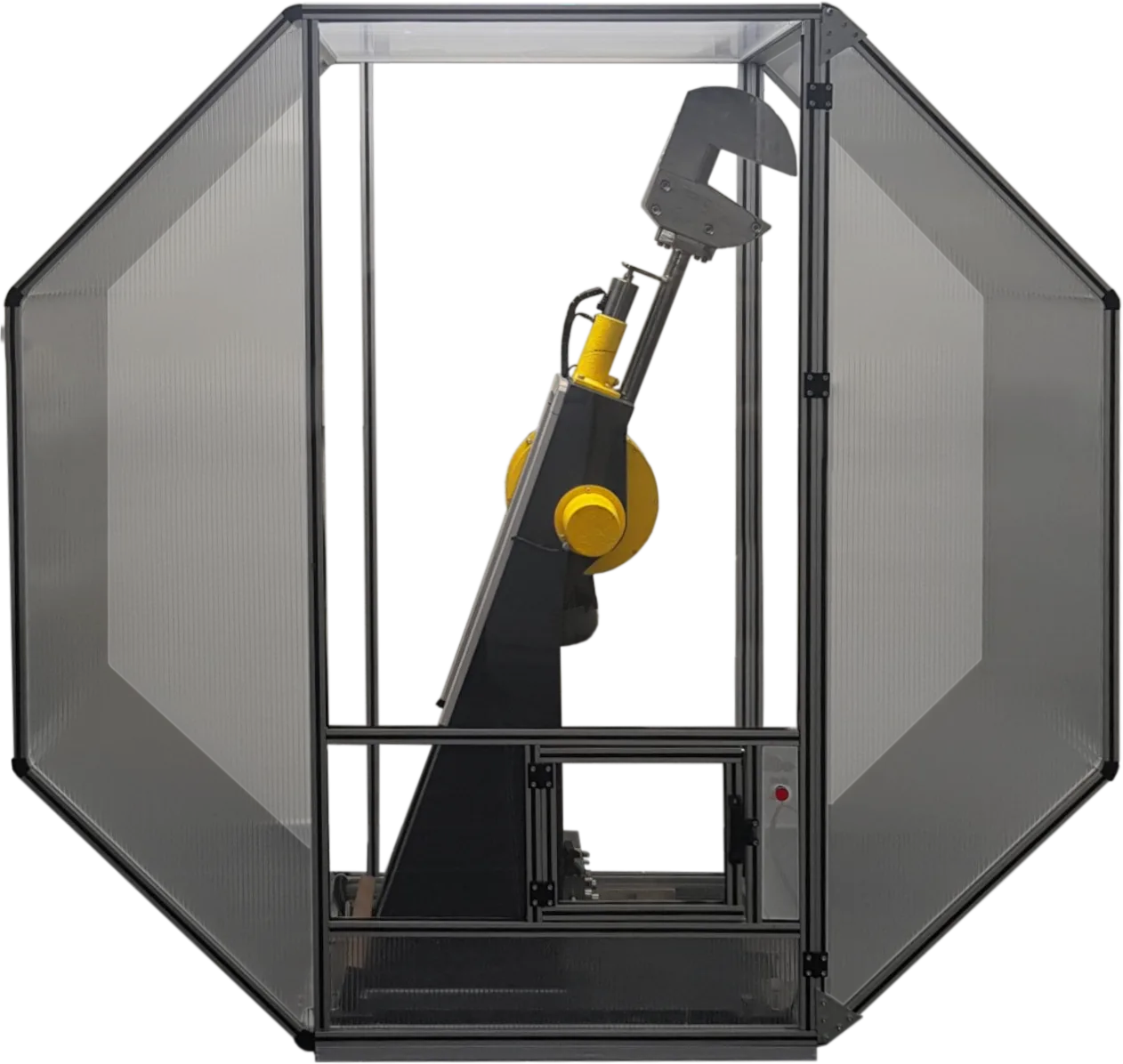
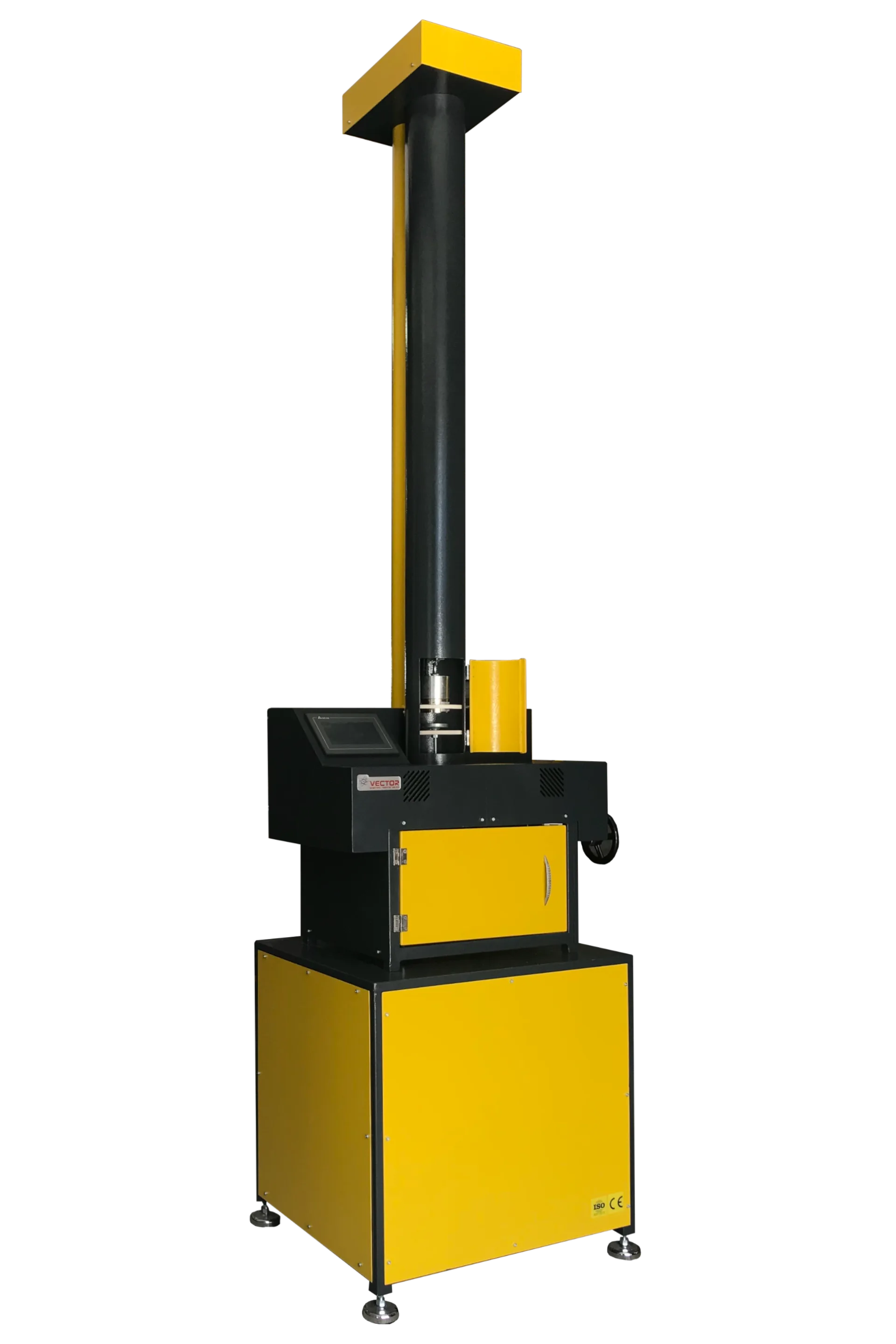
Charpy System
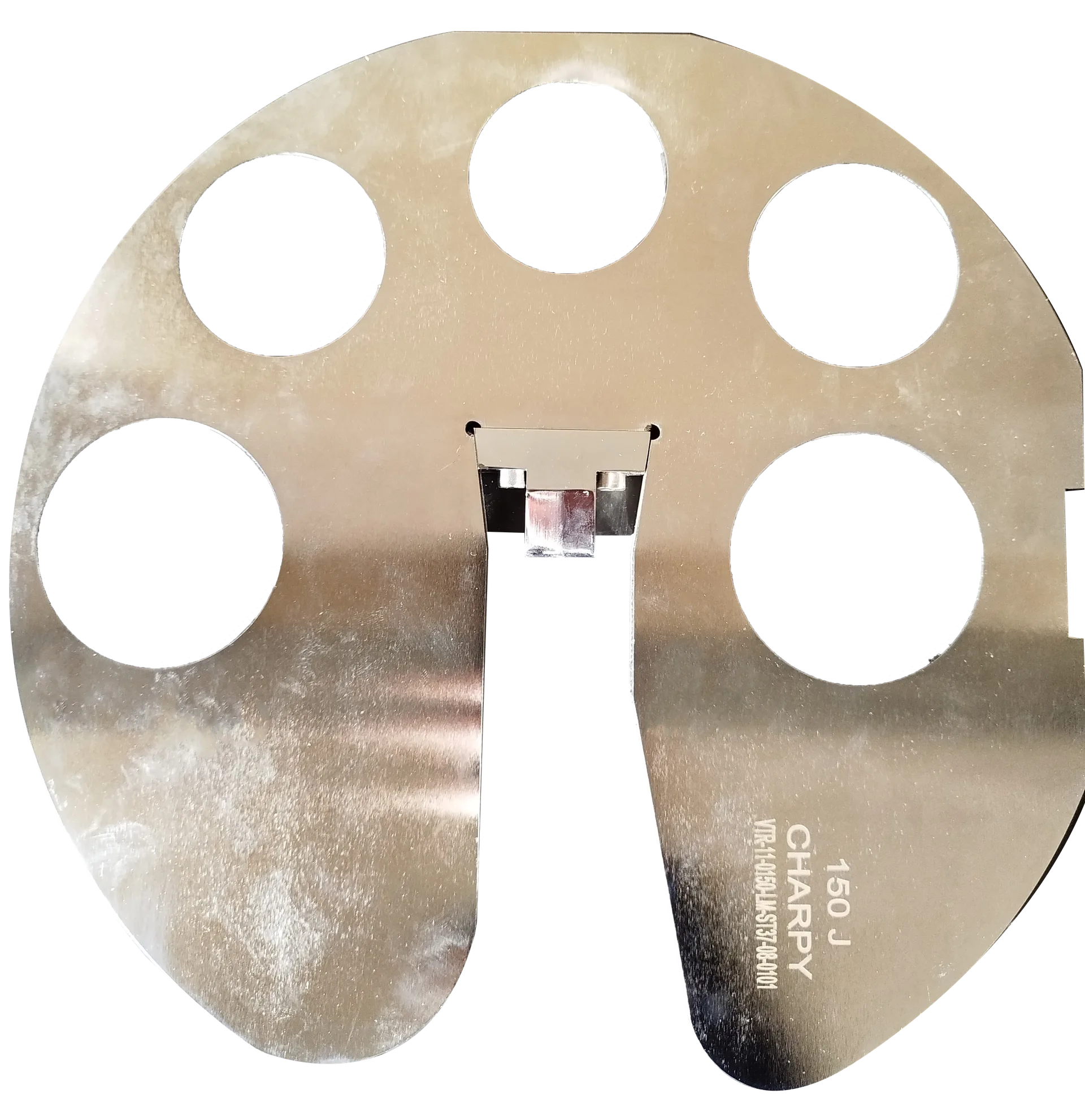
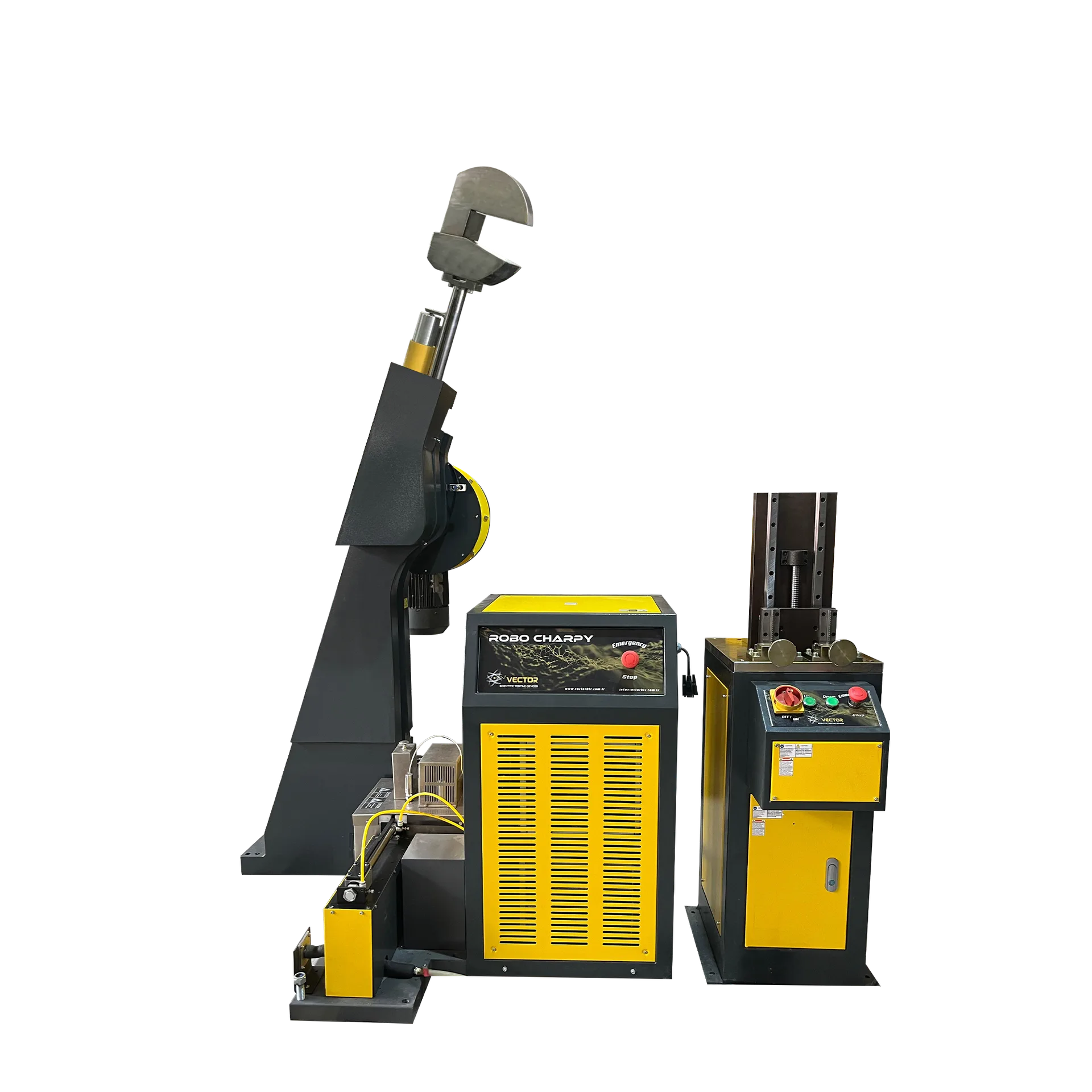
Automated Charpy impact testing up to 750 J
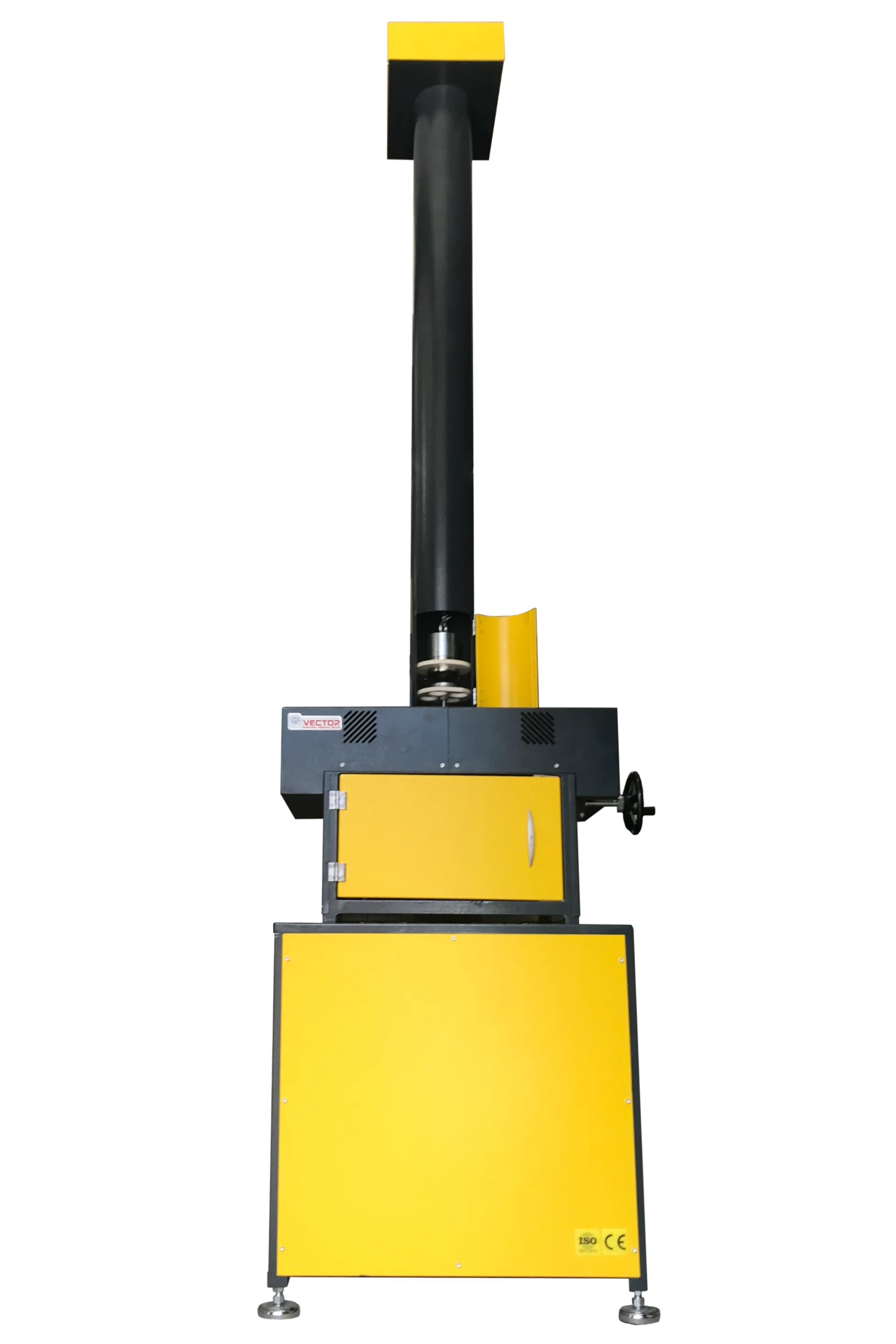
Izod Systems
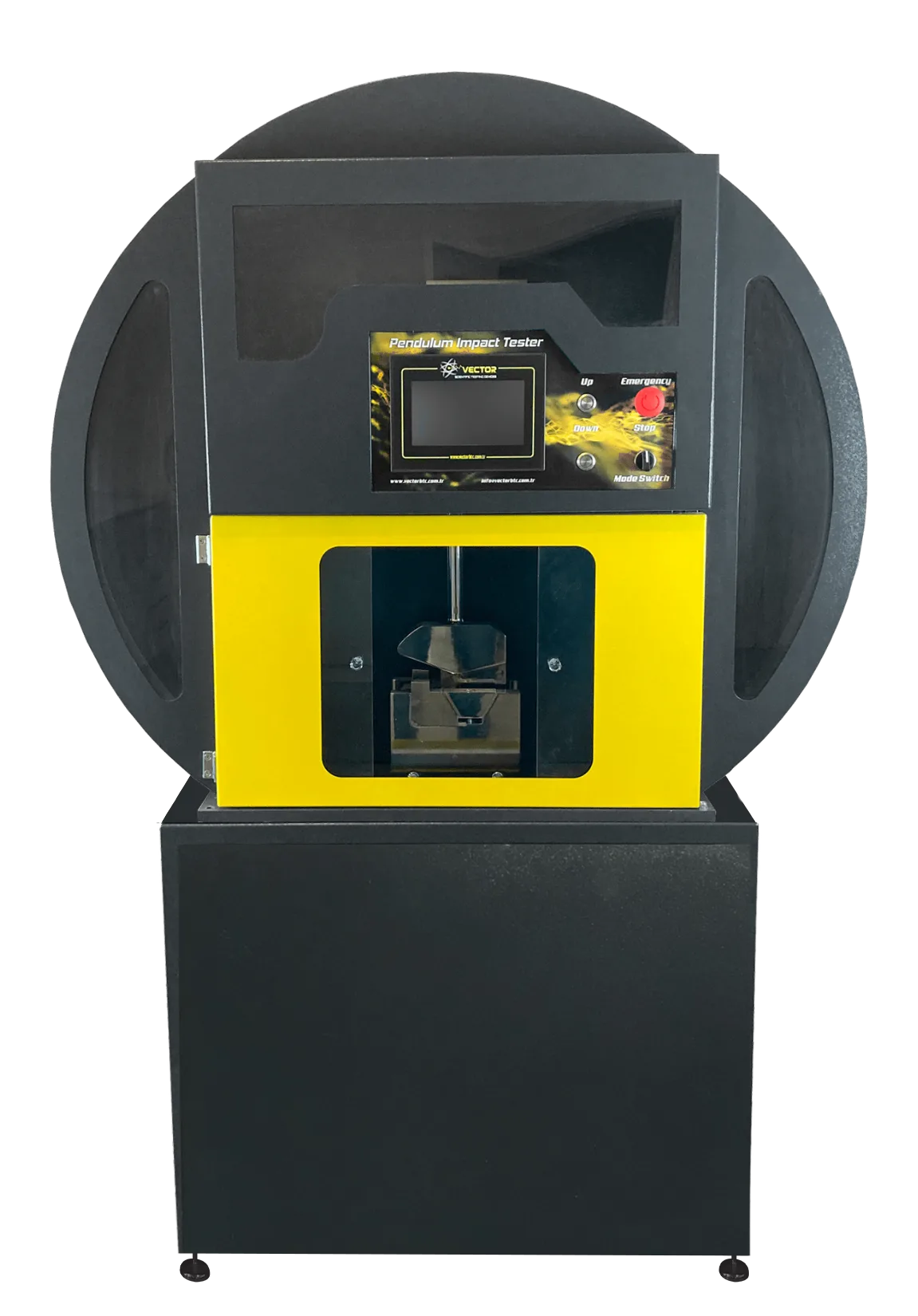
Charpy & Izod compatible pendulum system
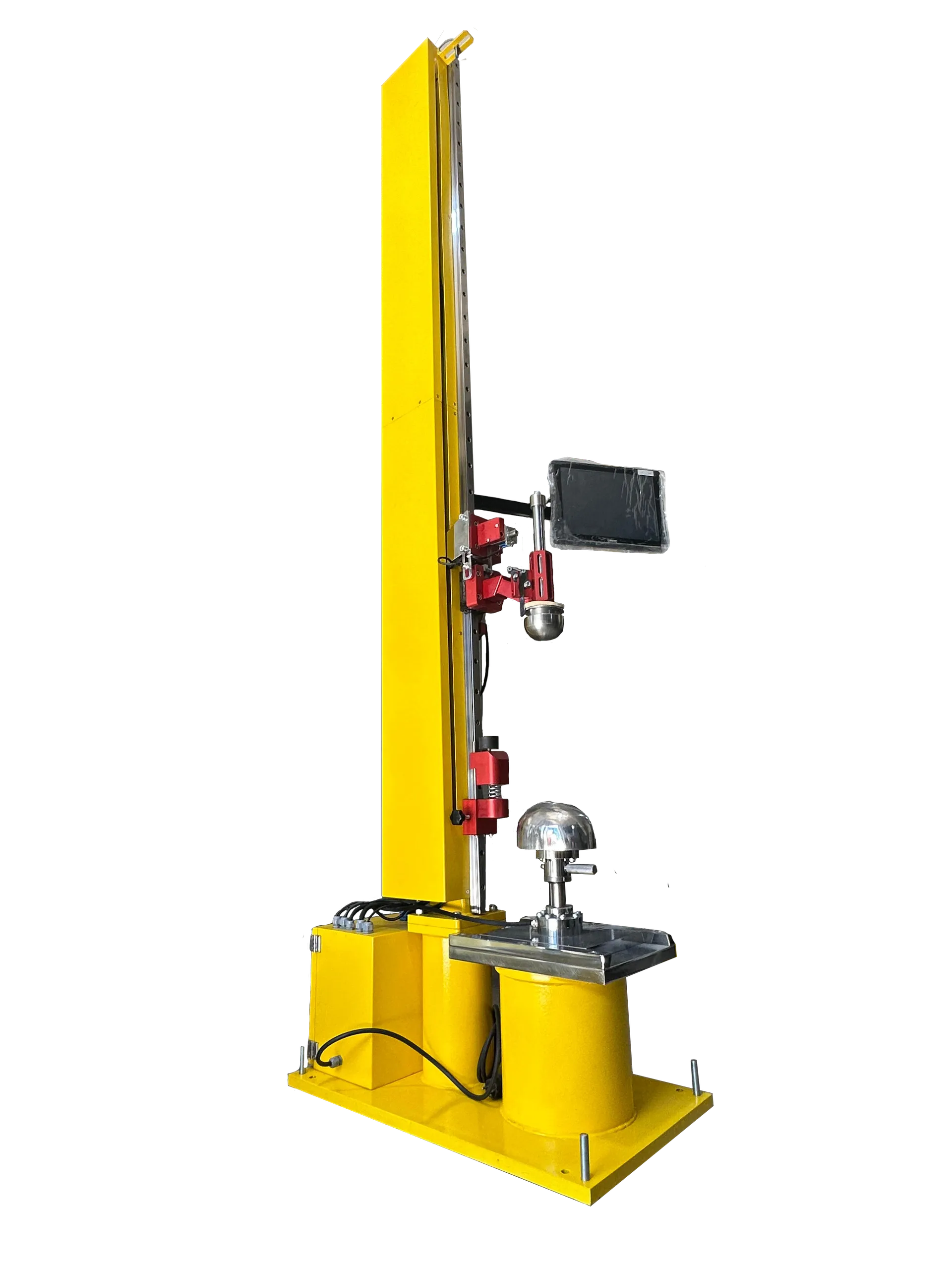
Drop Weight Impact Tester
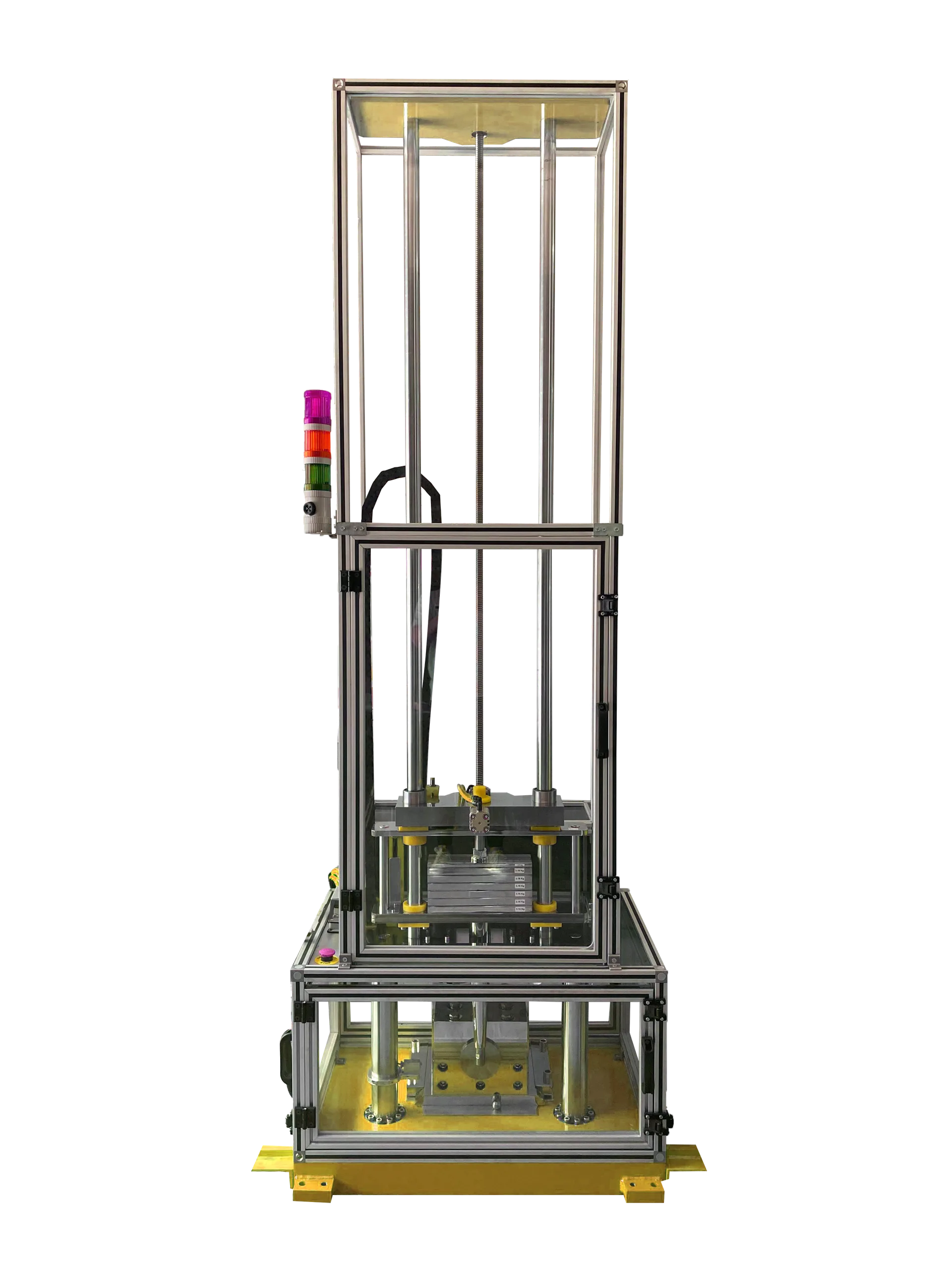
Instrumented drop tower for composites and plates
Charpy vs Izod — Key Differences
Although both methods use a pendulum hammer to fracture a notched specimen and measure absorbed energy, they differ in several critical aspects that determine which is appropriate for a given material or industry standard.
Charpy
- Specimen orientation Horizontal
- Support method Both ends supported
- Strike point Opposite the notch, center
- Primary material Metals & composites
- Key standard ASTM E23, ISO 148-1
- Results unit Joules (J)
Izod
- Specimen orientation Vertical
- Support method Clamped as cantilever
- Strike point Above the notch
- Primary material Plastics & polymers
- Key standard ASTM D256, ISO 180
- Results unit J/m or kJ/m²
In practice, the choice between Charpy and Izod depends on the material specification, the applicable standard, and the target application. Many modern impact testers — including Vector's impact testing systems — support both configurations through interchangeable anvils, specimen holders, and pendulum hammers, offering laboratories maximum flexibility without additional capital investment.
Drop Weight Impact Testing
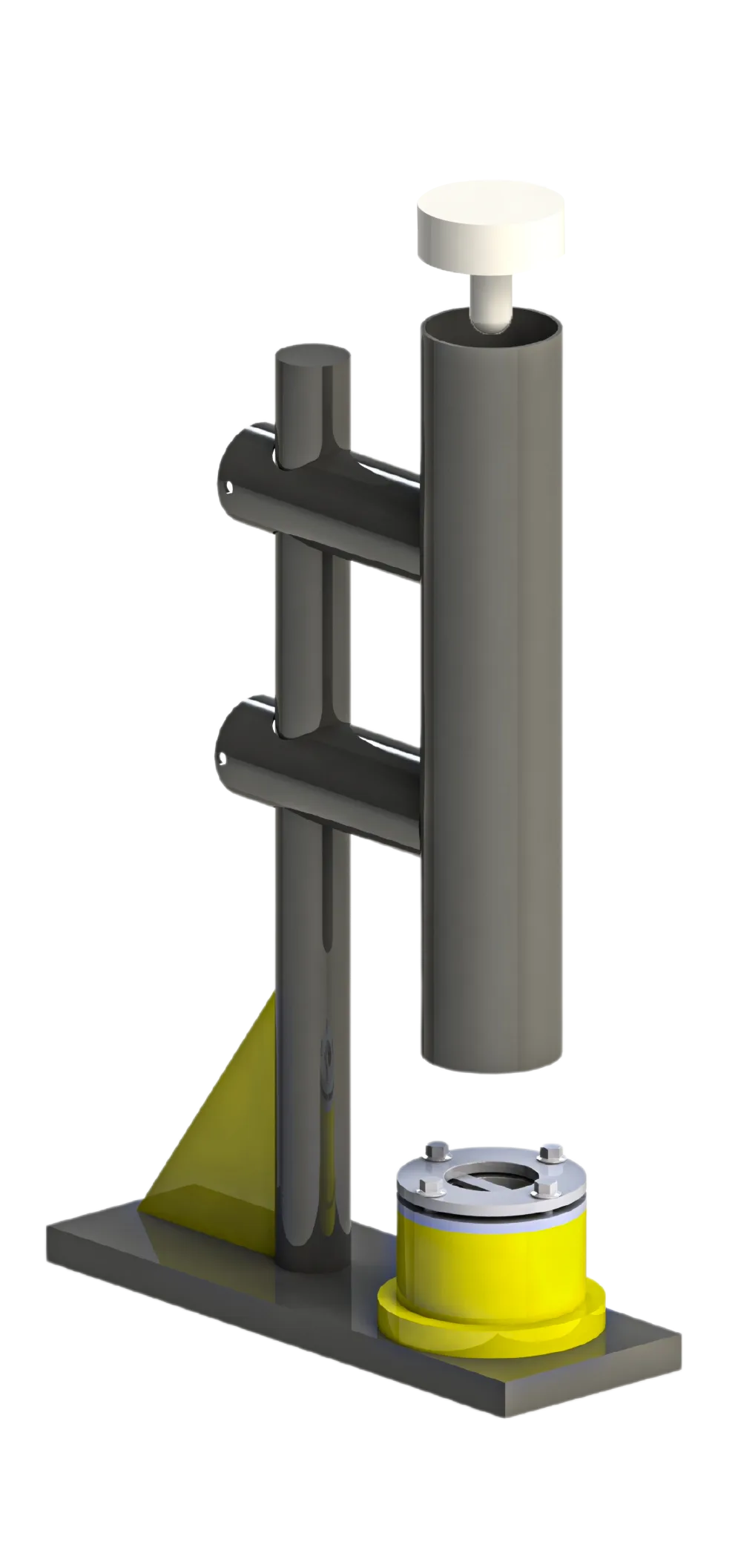
Drop weight impact testing is a complementary method to pendulum-based tests, designed to evaluate a material's resistance to sudden, high-energy impact from a falling mass. In this test, a defined weight (known as the tup or striker) is dropped from a controlled height onto a test specimen, and the resulting damage, fracture, or energy absorption is recorded.
Drop weight testing is particularly suited for composite materials, plastics, coatings, pipes, and structural components where real-world impact scenarios involve larger surface areas or lower-velocity, higher-mass events. A key procedure within drop weight testing is Compression After Impact (CAI) testing, where a composite panel is first impacted and then subjected to compressive loading to assess residual structural integrity — critical in aerospace and defense applications where even barely visible impact damage (BVID) can compromise structural performance.
Drop Weight Impact Test Standards
- ASTM D7136 — Damage resistance of fiber-reinforced polymer composites
- ASTM D2444 — Drop weight impact of thermoplastic pipe
- ISO 6603-2 — Puncture impact of rigid plastics
- ASTM E436 — Drop weight tear test of ferritic steels
- DIN 65561 — Fiber reinforced plastics for aerospace laminates
Applications and Standards
Impact testing is essential across a broad range of industries where material toughness, safety, and durability directly determine product performance and regulatory compliance.
Automotive & Transportation
Impact testing of metals, plastics, and composites used in car bodies, bumpers, instrument panels, and battery housings ensures crashworthiness and passenger safety. Drop weight testing simulates real-world collision scenarios, while Charpy testing evaluates low-temperature toughness of structural steels.
Aerospace & Defense
Charpy and drop weight testing assess the toughness and impact resistance of aircraft structures, engines, landing gear materials, and composite panels subjected to bird strikes, hail, and tool-drop events. CAI testing is routinely mandated for structural qualification.
Construction & Civil Engineering
Structural steels, reinforcement bars, and building materials are tested for impact toughness to ensure that structures maintain integrity under dynamic loading conditions, seismic activity, or accidental impact.
Plastics & Polymer Manufacturing
Izod and Charpy impact tests are fundamental quality control tools for polymer compounders, injection molders, and sheet manufacturers. They determine formulation performance and validate compliance with product standards.
Packaging & Consumer Products
Drop weight testing ensures that packaging materials, electronic enclosures, and consumer goods survive transportation and handling impacts without compromising the integrity of the contents.
Energy & Oil and Gas
Pipeline steels, pressure vessel components, and offshore structural materials require rigorous Charpy impact testing — often at sub-zero temperatures — to ensure resistance to brittle fracture in demanding service environments.
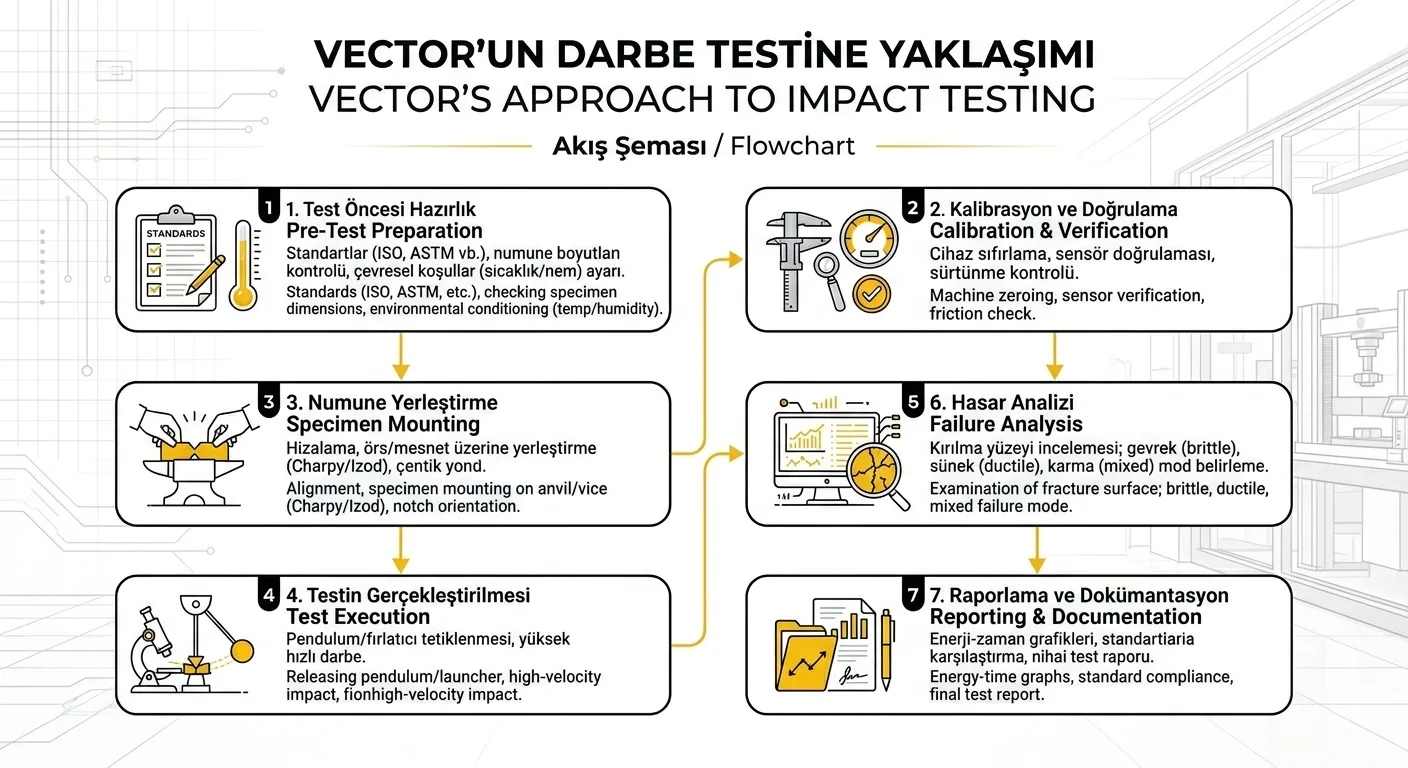
Vector's Approach to Impact Testing
Vector designs integrated material testing solutions that support laboratories from raw sample preparation through to final mechanical analysis. Alongside impact testing instruments, Vector provides universal testing machines, sample preparation equipment, and crushers and mills — enabling laboratories to conduct complete material characterization workflows within a single, cohesive system.
By combining impact testing with mechanical testing equipment and controlled sample preparation, laboratories can evaluate both dynamic fracture behavior and long-term mechanical performance of metals, plastics, composites, and construction materials — achieving full regulatory compliance and data integrity in every test cycle.
Conclusion
Impact testing — whether performed via the Charpy method, the Izod method, or drop weight techniques — is a foundational discipline in modern material science and quality assurance. Understanding the differences between each method, the applicable standards, and the industries they serve is essential for selecting the right equipment and designing reliable test protocols.
Vector's impact testing instruments are engineered to meet the demands of high-throughput laboratories, offering compliance with ASTM E23, ISO 148-1, ASTM D256, ISO 180, ASTM D7136, and a broad range of additional standards. With durable construction, precise energy measurement, and seamless integration into broader laboratory workflows, Vector impact testers are designed to deliver consistent, repeatable results in every test condition.