



Plastics & polymers
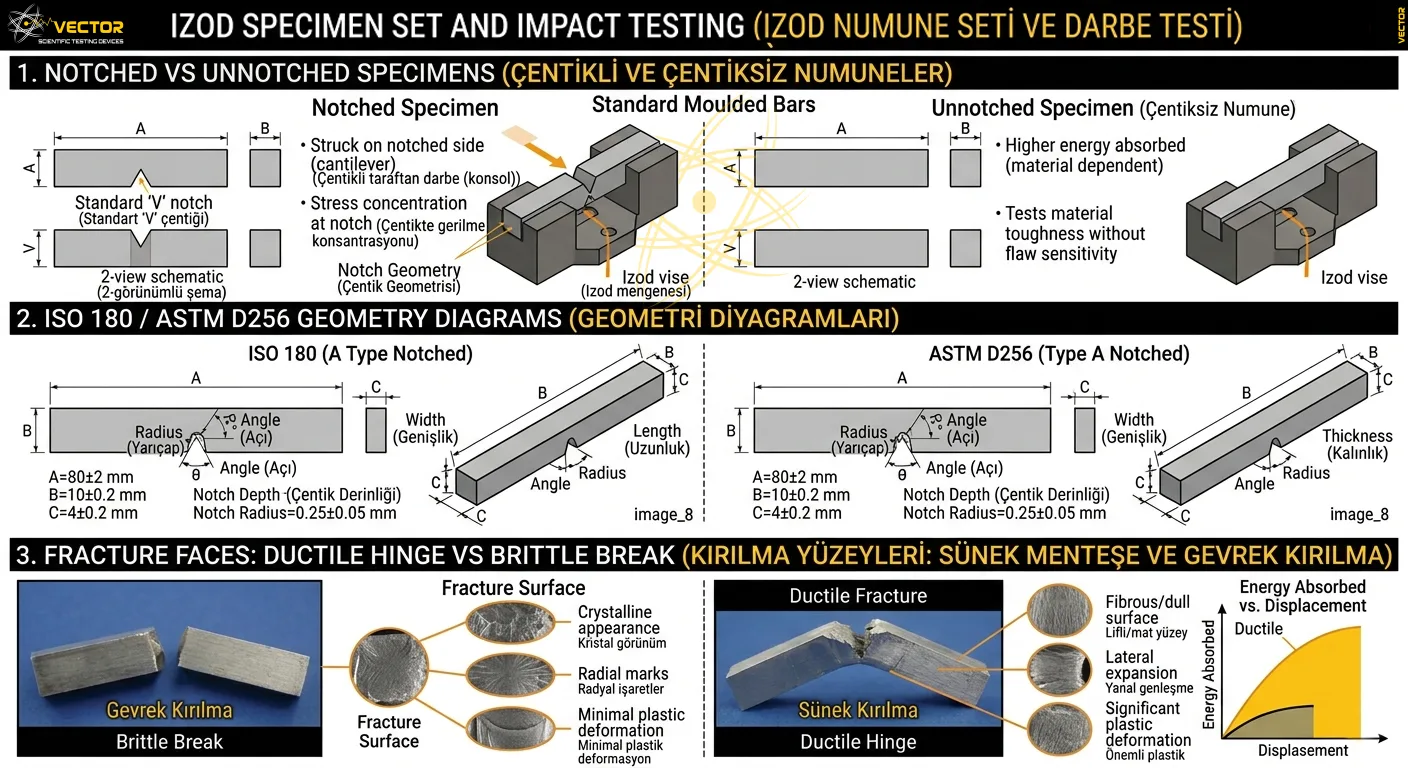
Injection-moulded plaques, extruded profiles, and film-laminate specimens — notched and unnotched Izod per ISO 180 / ASTM D256.
Vector pendulum impact tester for Izod absorbed energy on plastics, polymers and metals per ISO 180, ASTM D256 and ASTM E23 — from 5.5 J to 50 J.
Izod pendulum impact testing — plastics, polymers and metals from 5.5 J to 50 J
Vector Izod solutions
Every Izod impact test system we deliver is scoped to your materials, standards, specimen geometry, and throughput — not a one-size catalogue box.
An Izod impact test system (Izod testing machine or pendulum impact tester configured for Izod) measures the absorbed energy required to break a notched specimen clamped as a cantilever — the reference method for impact resistance of plastics and polymers, and still specified for selected metals programmes alongside Charpy.
Vector supplies Izod test machine lines for quality control, product development, and certification: from compact benchtop pendulum units for injection-moulded plaques to larger frames that also support Charpy bars when your laboratory runs mixed metals and polymer workloads. Reporting aligns with ISO 180, ASTM D256, and metals ASTM E23 Izod configurations where applicable.
Whether you need notched Izod on PA, PC, or PP compounds, unnotched screening tests, or metals Izod on machined bars, our application engineers define pendulum energy, striker geometry, specimen supports, and software fields around your test programme — rather than forcing a generic hammer rating.
Standards library
Izod programmes differ between polymer specifications and legacy metals methods. Vector maps your required codes to striker shape, specimen clamping, notch geometry, and reporting units before build — and can configure one pendulum for Izod-only or Izod + Charpy workflows.
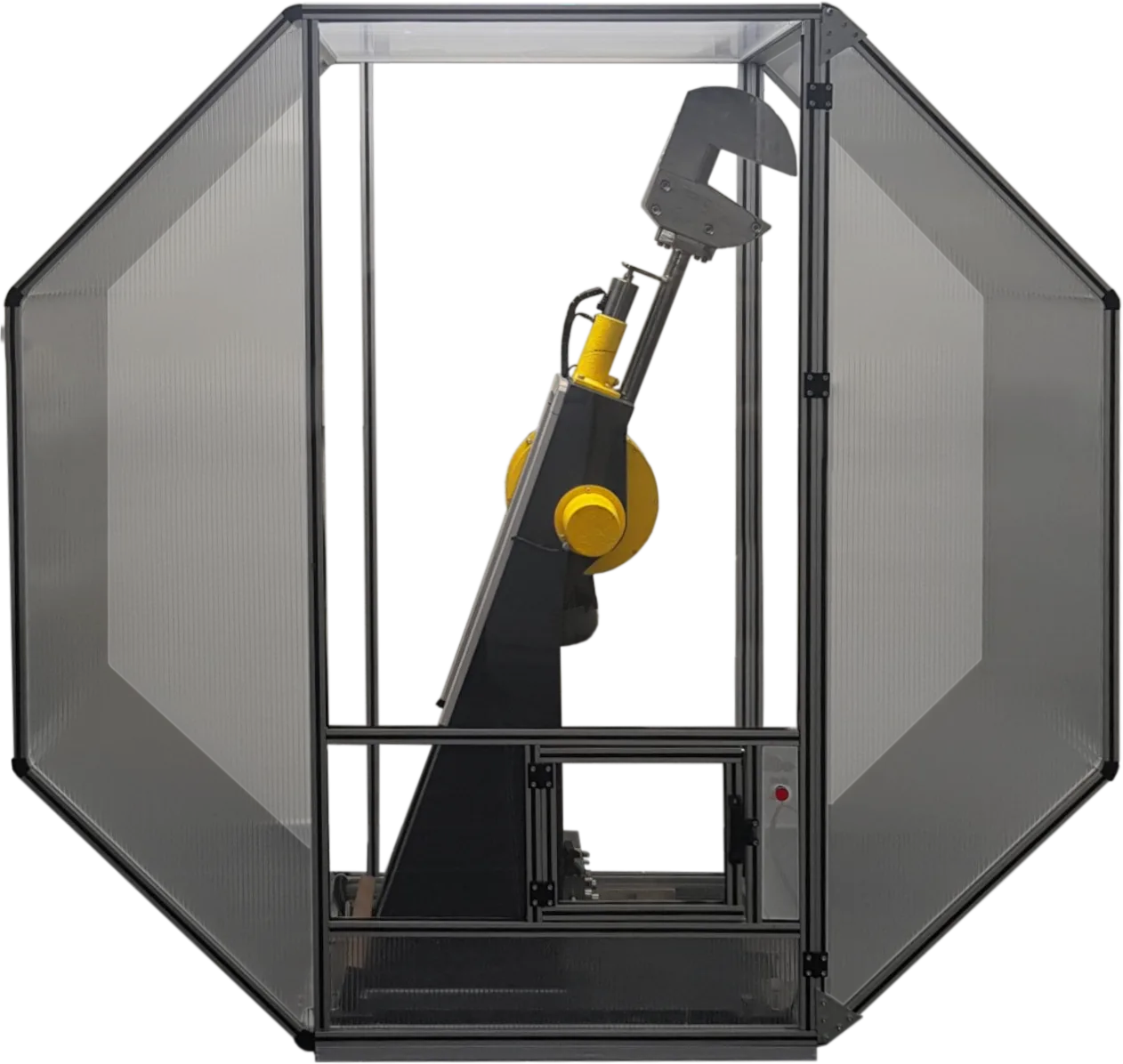
The Izod test is a standardized pendulum impact method for evaluating how a notched specimen absorbs energy when struck on the cantilever face — essential vocabulary for anyone specifying an Izod machine or comparing polymer lot release data.
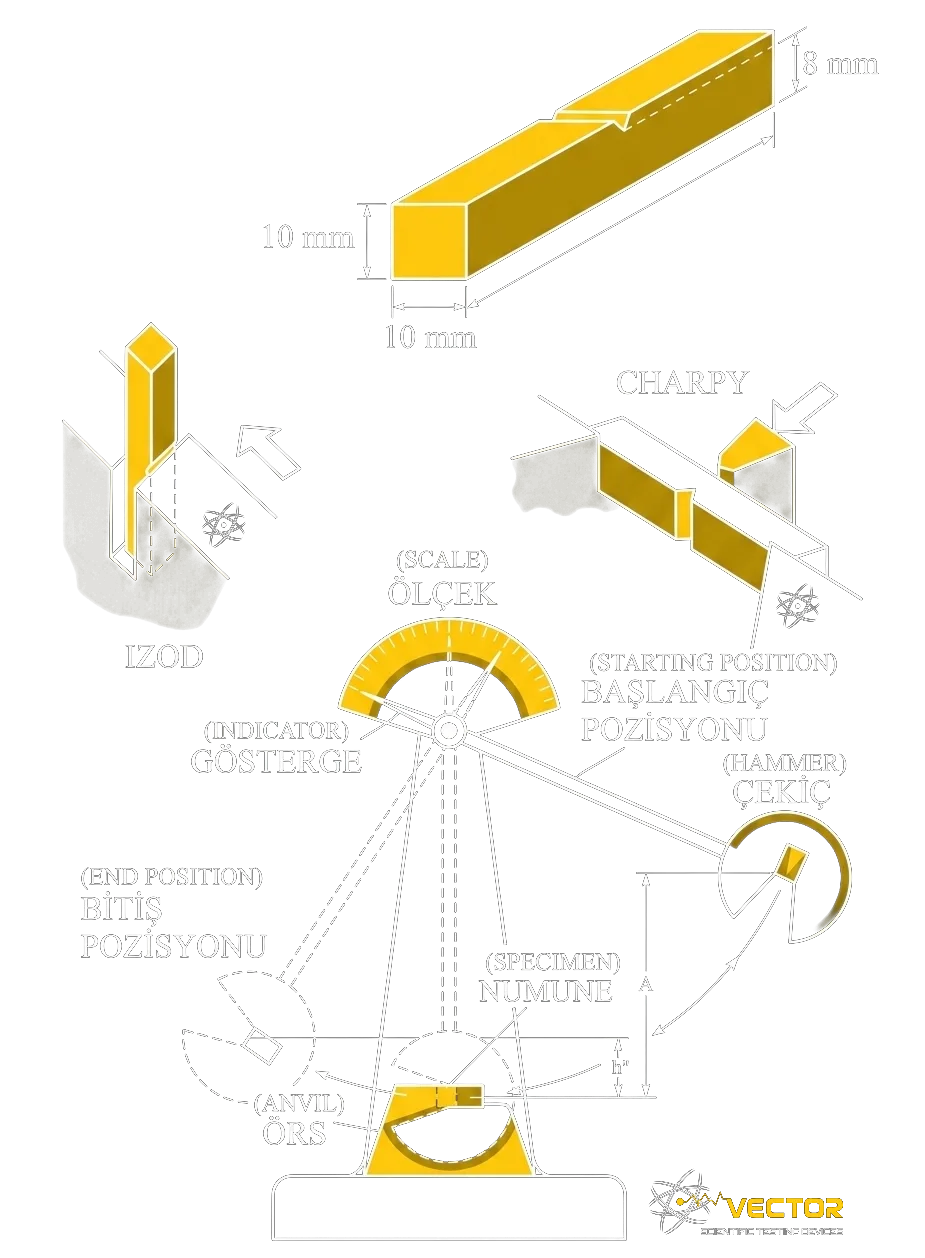
In an Izod impact test, a machined bar with a controlled notch is clamped vertically so one end is fixed and the free end projects toward the pendulum. The hammer strikes the face opposite the notch root (or the configured strike face per standard), and the energy lost during fracture is Izod absorbed energy, reported in joules per unit cross-section (e.g. kJ/m²) for plastics or joules for metals programmes.
Unlike Charpy testing (horizontal three-point bend on metals), Izod uses a cantilever orientation — which is why polymer datasheets, automotive compound specs, and ASTM D256 certificates almost always reference notched Izod impact strength rather than Charpy values (which are not directly interchangeable).
Brittle failure in service — snap tabs, housings, pipe fittings, or impact-loaded components — often correlates with insufficient notch toughness in the as-moulded state. A modern Izod impact test machine must combine accurate energy measurement, repeatable clamping, and safe striker exchange when daily throughput spans many compound grades.
Izod testing machines sit at the centre of polymer mechanical testing whenever specifications require proof of impact resistance at production or development stage. Typical programmes include:
Vector Izod impact test systems support thermoplastics, thermosets, elastomer compounds, composites, and selected metals programmes where Izod cantilever bars are specified.
Injection-moulded plaques, extruded profiles, and film-laminate specimens — notched and unnotched Izod per ISO 180 / ASTM D256.
Interior, exterior, and under-bonnet compounds — Izod acceptance on colour and glass-fibre filled grades.
Housings, connectors, and structural polymer parts where impact resistance supports safety and reliability testing.
PVC, PE, and engineering plastic fittings — impact resistance on pipes, profiles, and moulded accessories.
Shared pendulum frames for Izod metals bars and optional Charpy configuration on the same platform.
Third-party polymer labs running mixed-client Izod workloads — batch templates and LIMS export reduce turnaround time.
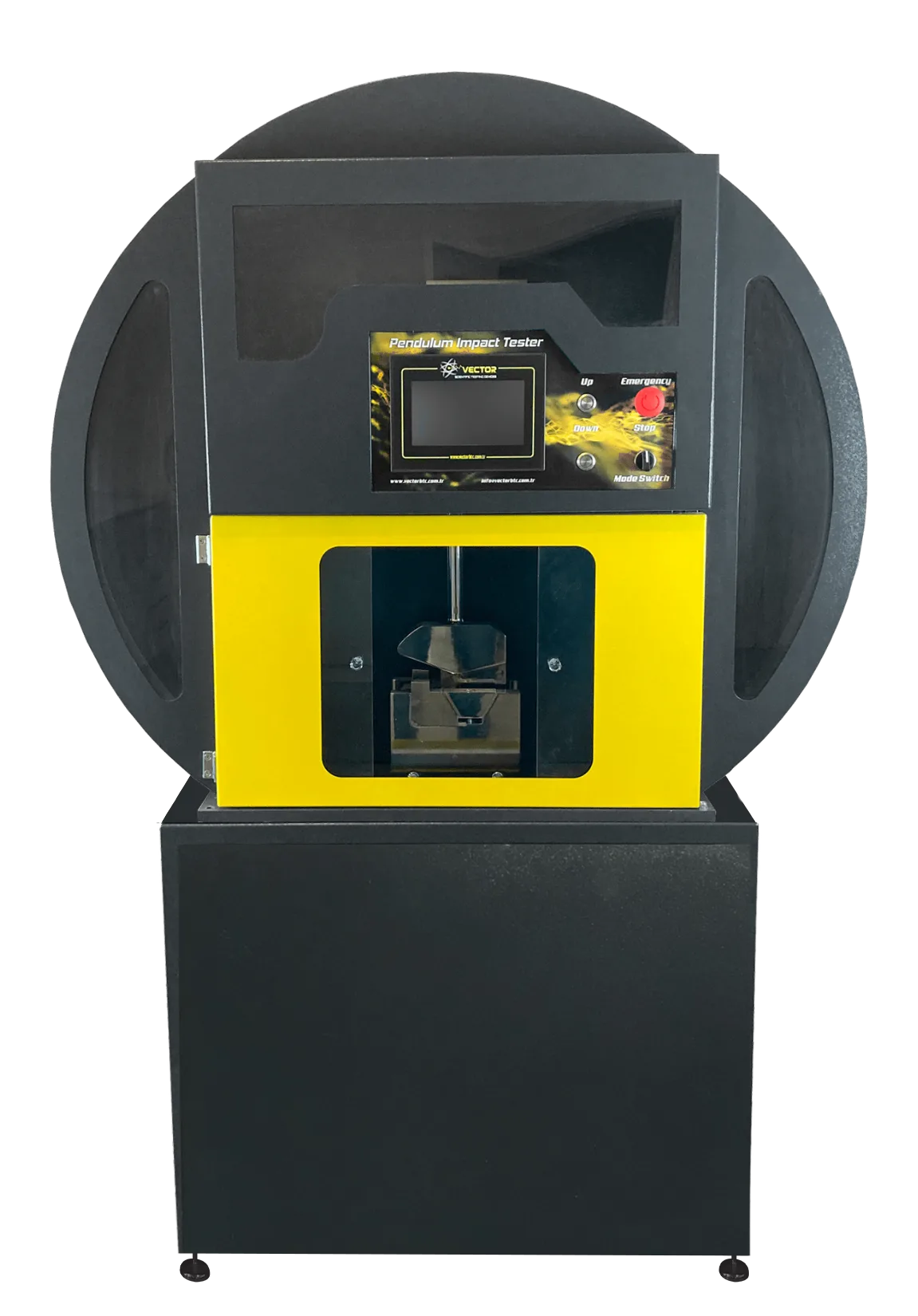
Vector does not sell Izod equipment as a fixed catalogue SKU alone. We engineer Izod impact test systems around your requirement — pendulum energy, specimen types, Charpy compatibility, automation level, and the standards you must satisfy.
The message for your laboratory is simple: tell us what you must test and which standard governs acceptance — we design the Izod system that fits, rather than forcing your workflow into a generic machine.
Representative building blocks on Vector Izod / pendulum lines — final specification is always project-specific.
Interchangeable hammers for brittle engineering plastics through tougher commodity grades — higher energies for metals Izod when required.
Precision specimen supports for ISO 180 / ASTM D256 bar dimensions — repeatable notch alignment to the striker.
Optional anvils and strikers for Charpy bars on the same pendulum when the laboratory runs metals programmes.
Ambient, oven-conditioned, or low-temperature chambers for programmes that specify non-ambient Izod.
Guards, interlocks, and fragment containment sized for the installed pendulum energy.
Absorbed energy, break type, and specimen IDs ready for accreditation audits and customer certificates.
Product brochures for pendulum impact testers and automated Charpy lines — energy ratings, Izod and Charpy configurations, and typical laboratory applications.
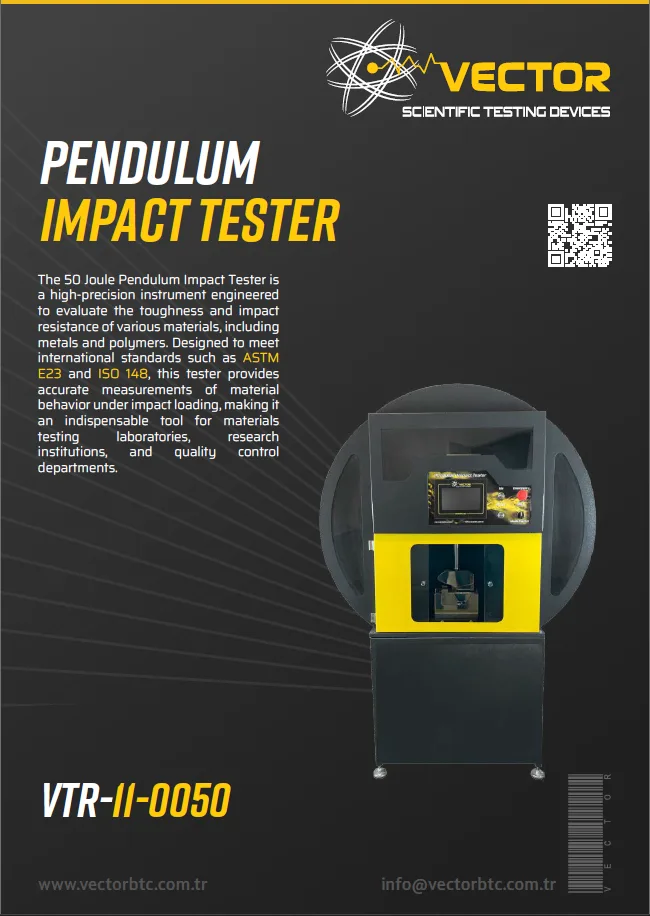
Pendulum impact tester — 50 J
Brochure (PDF)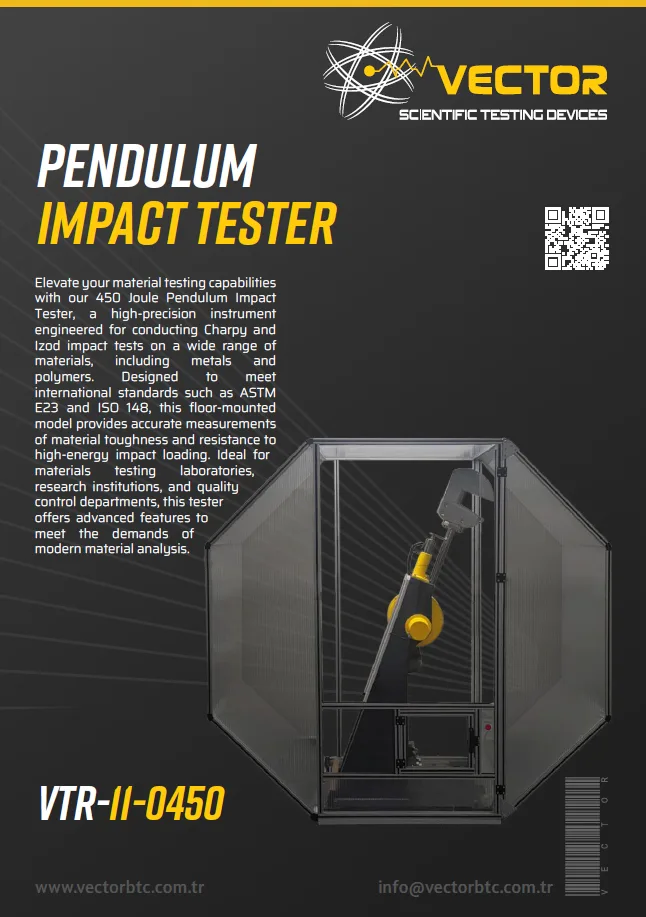
Pendulum impact tester — 450 J
Brochure (PDF)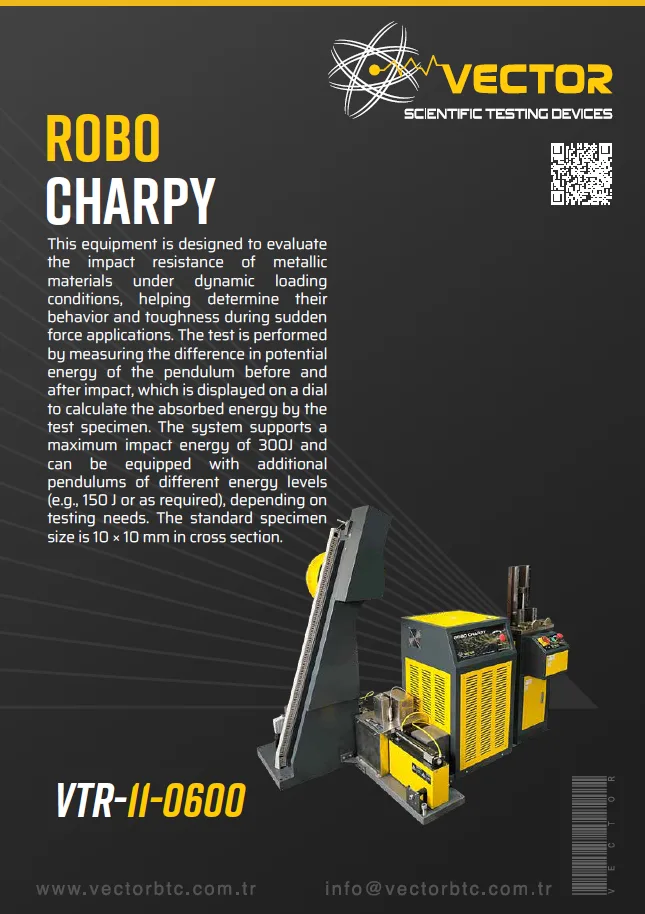
Robo Charpy automated line
Brochure (PDF)Configurable Izod platform
Values below describe a typical mid-energy pendulum reference configuration (VTR-11-0000 class). Vector confirms all specifications in the project quotation.
Applications support
Share your standard, sample type, and lab workflow — we'll recommend a verified configuration you can quote against.
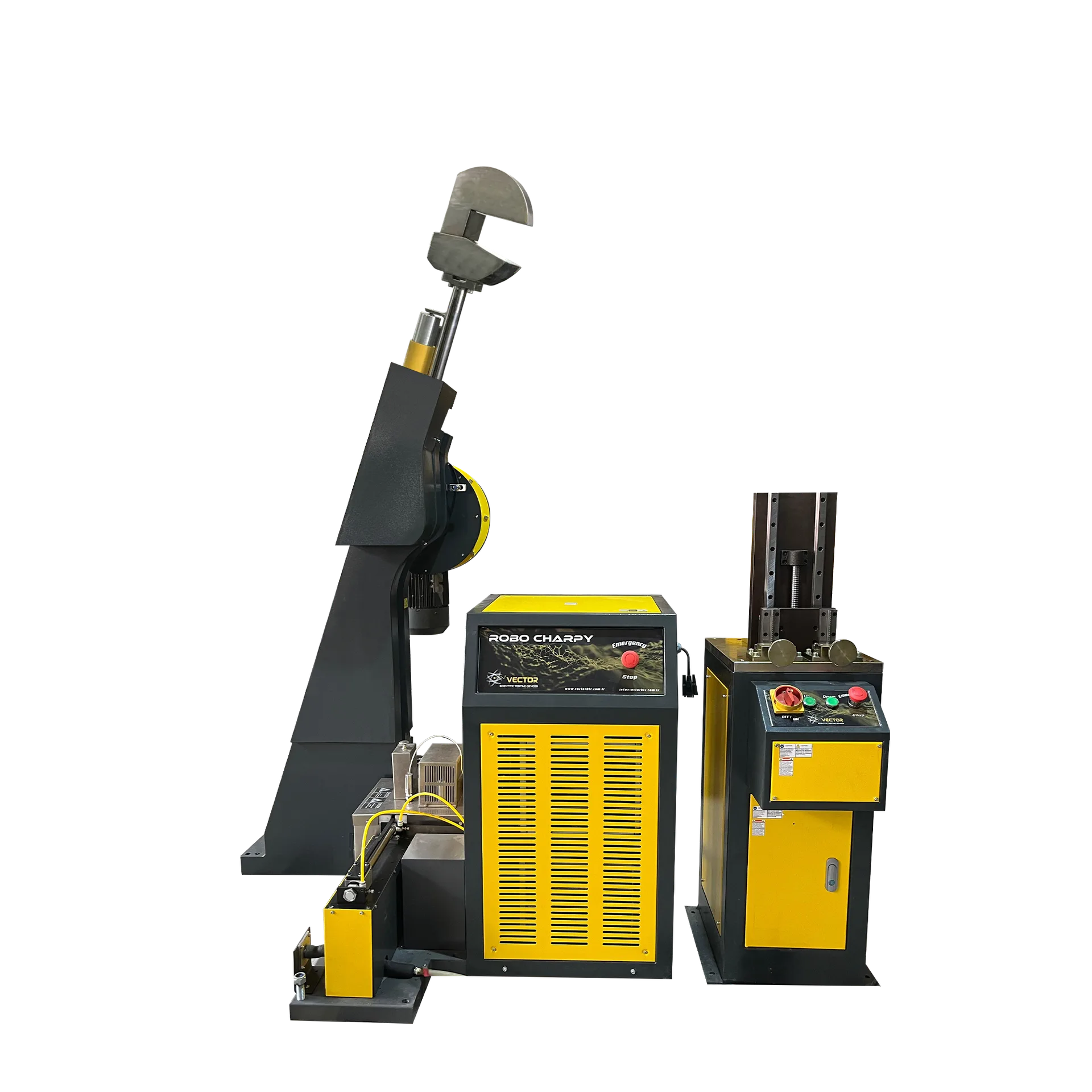
Vector Robo Charpy system for metal notch toughness per ISO 148-1 and ASTM E23 — manual, semi-automatic or robotic lines from 300 J to 750 J with sub-zero option.
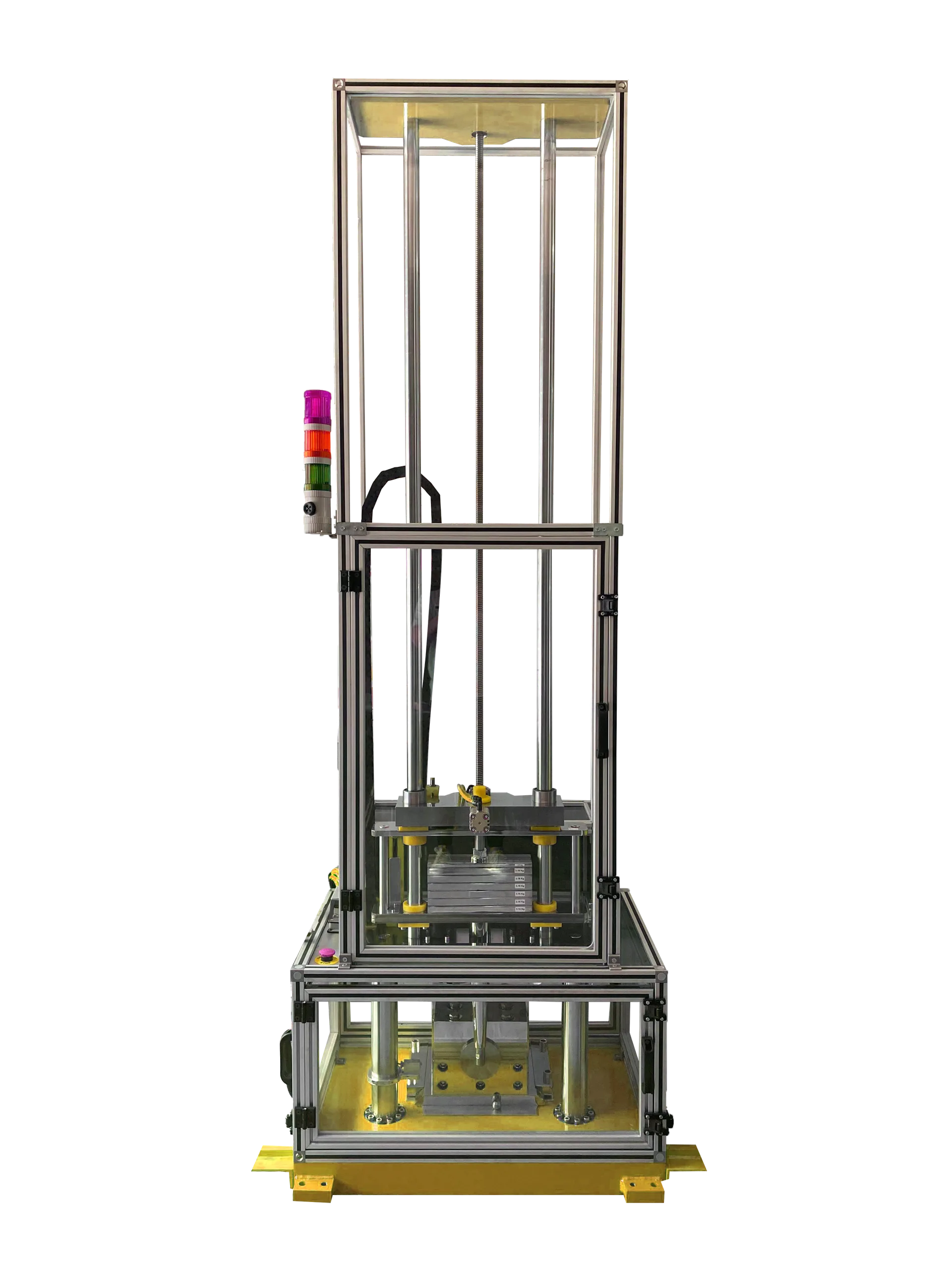
Vector VTR-17-0000 instrumented drop tower for plastics, composites and metals — 0.2 J to 2000 J impact energy, HMI control, and compliance with ASTM D3763, ASTM D7136, ISO 6603 and related standards.
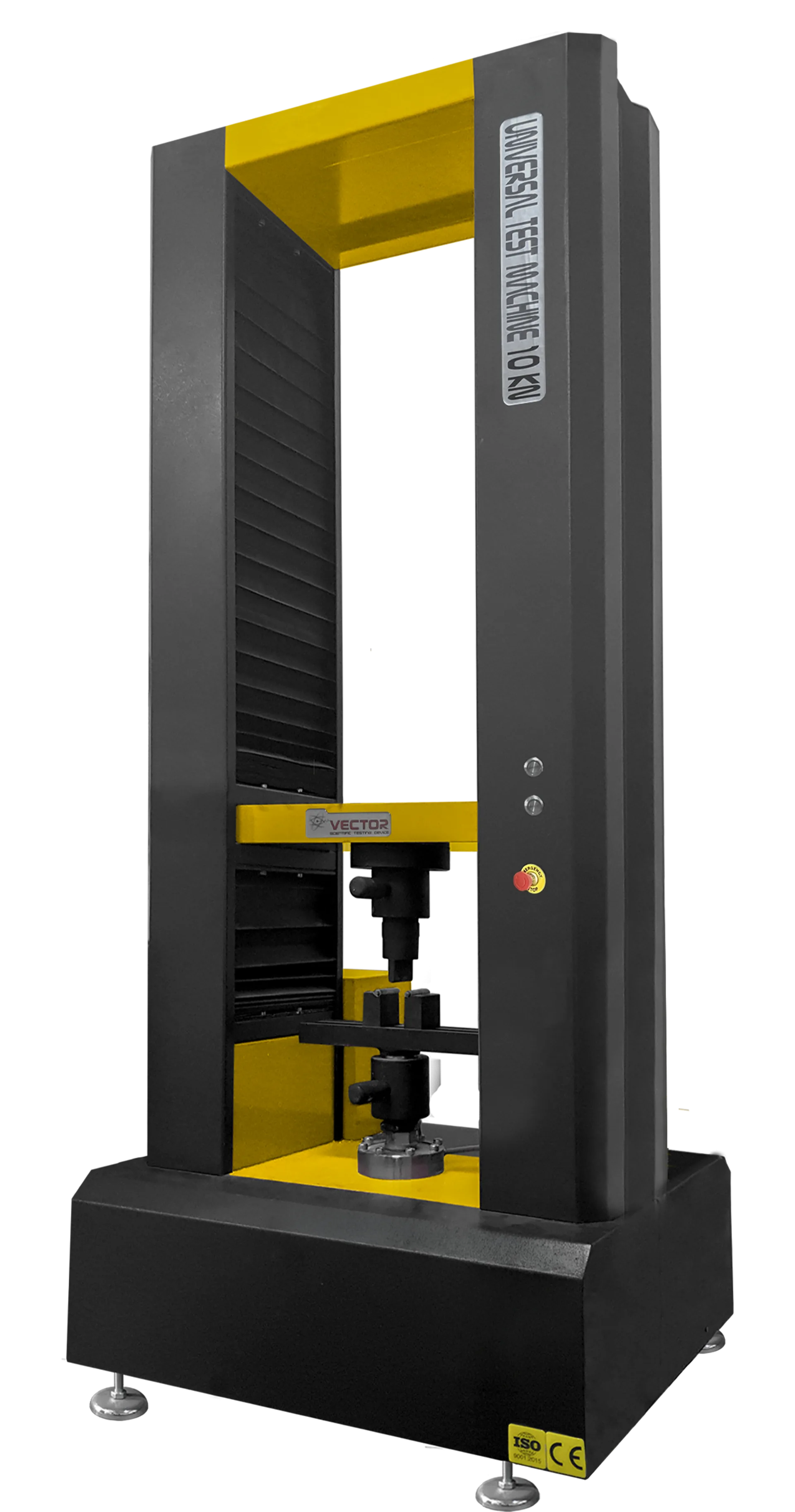
Vector Tesla Series dual-column floor-standing universal testing machine for industrial QA and R&D at 5–50 kN — ASTM E4 / ISO 7500-1 Class 0.5.