



News
Air Jet Sieve Particle Size Analysis
Automated particle size analysis with the Vector air jet sieve (VTR-1014) — operating principle, specifications, workflow, troubleshooting, and links to the air jet sieve, EN 196-6, and sieve analysis glossary.
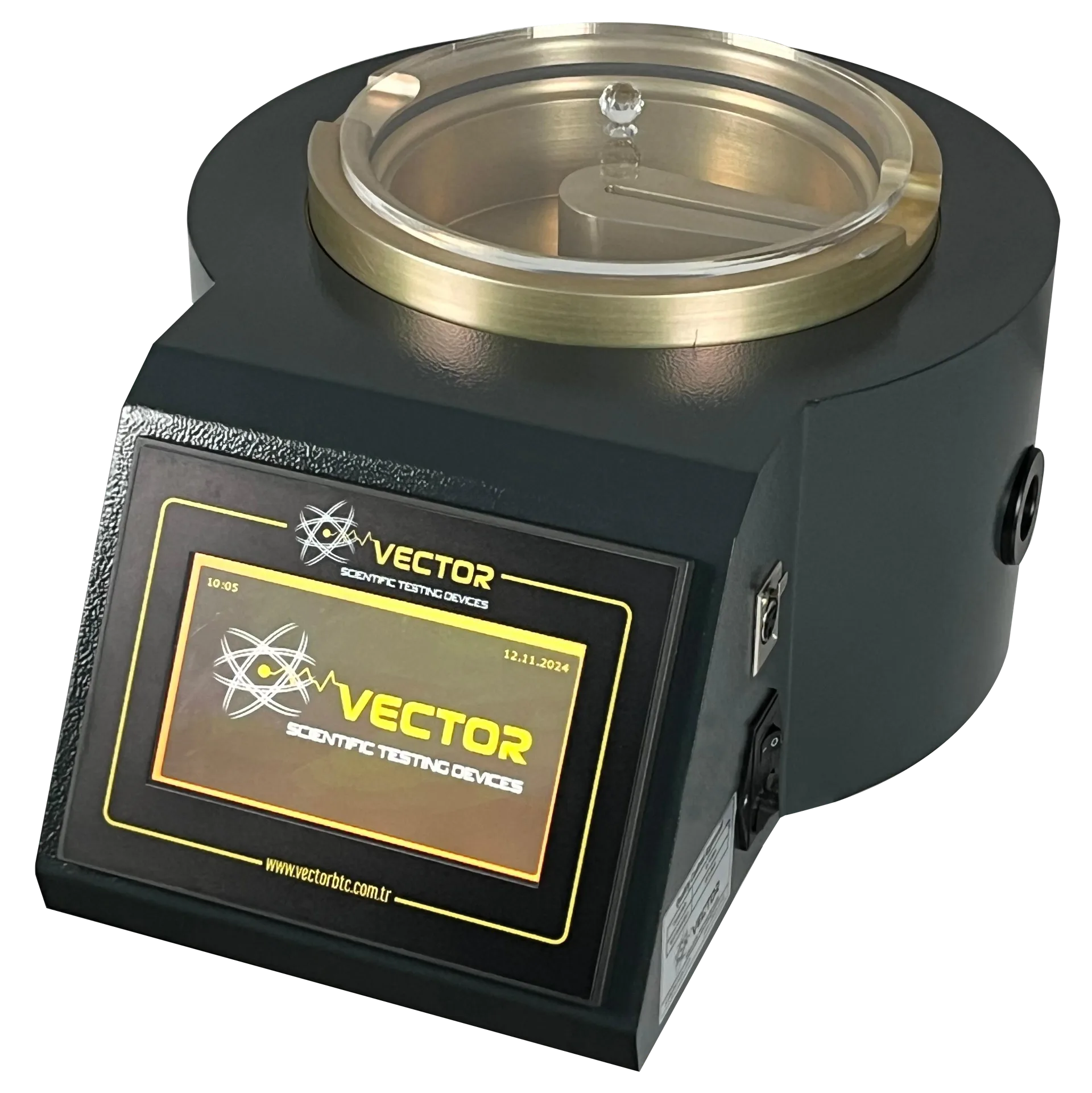
VTR-1014
Vector Air Jet Sieve
Negative-pressure air jet sieving for fine and cohesive powders from 10 µm to 4 mm — automated vacuum control, standard 200 mm sieves, EN 196-6 / ISO 4610 workflows.
View productOperating principle & aerodynamic dispersion
Efficiency comes from two engineered components: a slotted rotating nozzle beneath the sieve mesh and a high-performance vacuum system. Together they fluidize the sample, break agglomerates gently, and keep the mesh continuously open.
- 01
Ambient air intake
Controlled negative pressure inside the dust-tight chamber draws ambient air at high velocity toward the rotating nozzle.
- 02
Slotted nozzle acceleration
The rotating slotted nozzle, positioned directly beneath the mesh, accelerates the inflowing air into a focused upward jet.
- 03
Fluidized-bed dispersion
The upward jet fluidizes particles against the lid, disintegrating static clusters without degrading fragile primary particles.
- 04
Continuous vacuum sifting
As the nozzle sweeps, the jet clears the apertures while the vacuum pulls passing fines downward through the mesh.
- 05
Fine particle recovery
Passing fractions are guided to the exhaust or an optional high-efficiency cyclone collector for downstream analysis.
Technical specifications & performance
Engineered for rigorous, high-throughput testing while maintaining full measurement traceability.
| Parameter | Specification | Key advantage |
|---|---|---|
| Measuring range | 10 µm – 4 mm | Covers the entire critical fine-powder spectrum |
| Typical sample mass | 10 g – 100 g (material dependent) | Reduces material waste in costly formulations |
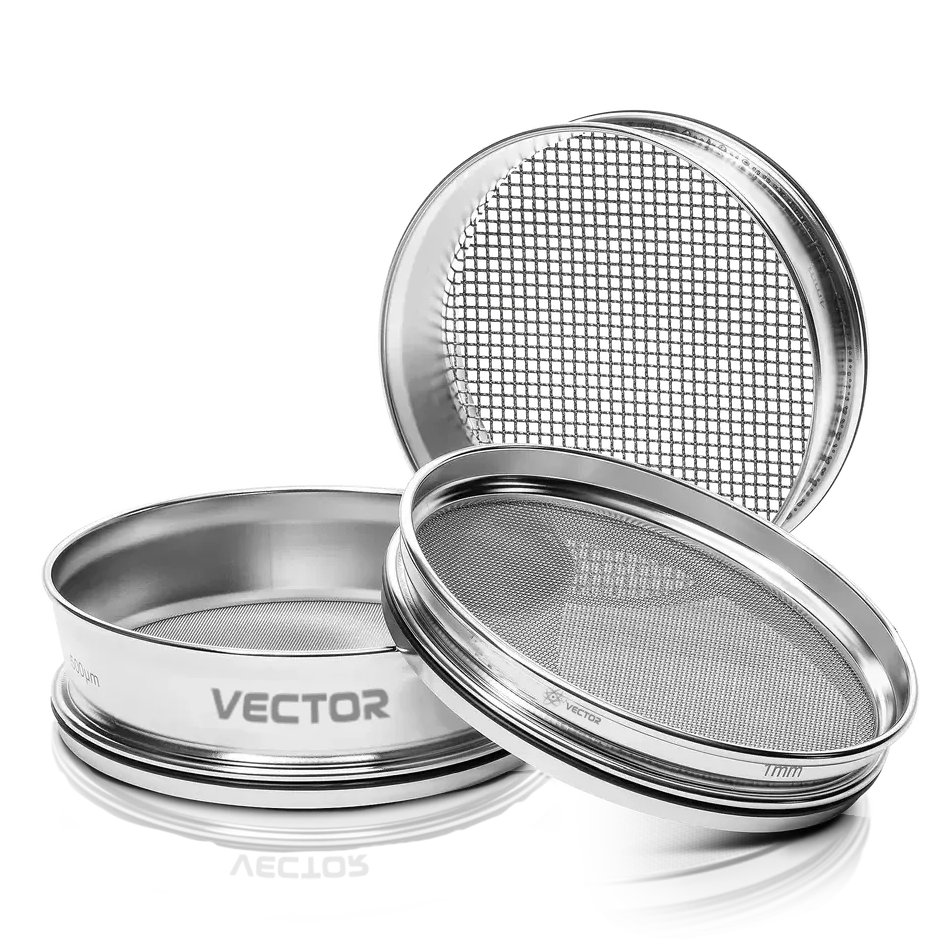
| Sieve compatibility | Standard 200 mm (8") / 203 mm test sieves | Works with existing laboratory inventories |
| Digital pressure sensor | 10 mbar – 100 mbar continuous reading | Automatically maintains the calibrated vacuum range |
| SOP database | Up to 9 pre-programmed procedures | Eliminates operator variability and human error |
| Software | Native Tesla Test Software | Supports 21 CFR Part 11 compliance workflows |
Why choose the Vector air jet sieve
Automation, compliance, and recovery features that set the platform apart.
Integrated digital control
An integrated pressure sensor reads chamber negative pressure and adjusts the air valve automatically — operator-independent reproducibility instead of manual suction dials.
Tesla Test Software & audit trail
SOPs, multi-level user profiles, and a full audit trail. Every run time, differential pressure, and mass balance is logged in an encrypted SQL database.
Quiet-air inlet technology
An optional suction noise absorber reduces operational noise by up to 15 dB for a safer, more comfortable laboratory.
Cyclone sample recovery
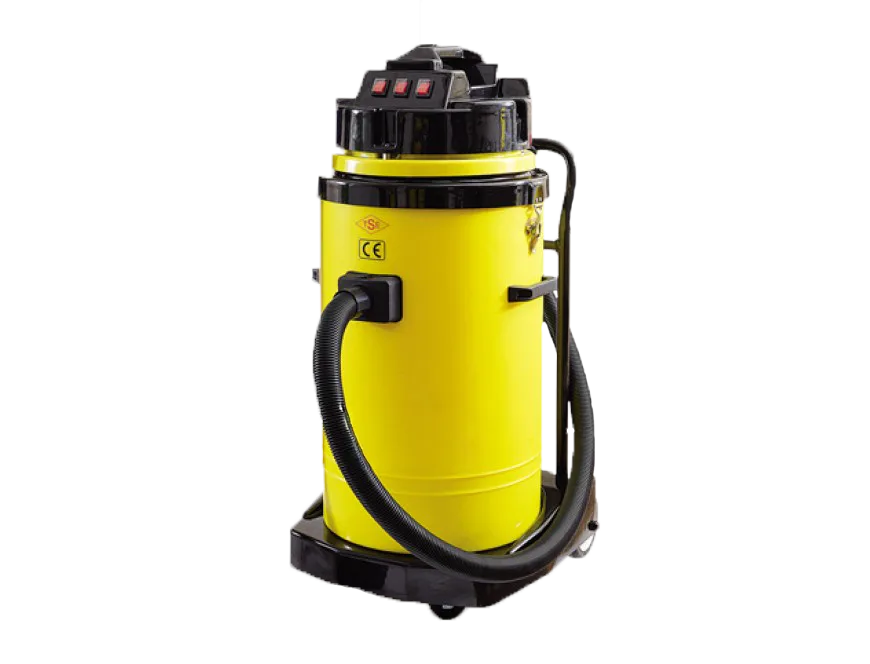
An optional high-recovery cyclone captures fines into a glass bottle for XRF or downstream testing, protecting the vacuum filter from clogging.
Step-by-step testing workflow
A repeatable, software-guided sequence from weighing to archived results.
- 01
Initial mass measurement
Weigh the clean dry sieve (M₁) and the sample (M₂, typically 10–50 g) on a 0.01 g balance. Record both in the Tesla Test Software.
- 02
Sample assembly
Set the sieve on the nozzle compartment, distribute the sample evenly, and seal the dust-tight PMMA cover for visual monitoring.
- 03
Parameter setup & SOP
Select the pre-programmed SOP for the material, set run duration (typically 2–3 min) and target negative pressure, then press start.
- 04
Automatic sifting
The pump runs, the nozzle rotates, and the differential-pressure curve is monitored as fines separate through the mesh.
- 05
Final mass analysis
Re-weigh the sieve with retained material (M₃). The software computes passing/retained percentages and archives the data.
Error-prone points & corrective actions
Common failure modes and how to keep results valid and traceable.
Mesh blinding from electrostatic charges — fine powders cling to the lid or form static clusters that resist the jet.
Apply a standardized anti-static spray to the cover interior before the run, or add a food-grade anti-static agent to the sample.
Improper vacuum settings — pressure below the 20–40 mbar threshold leaves the jet without enough energy to fluidize particles.
Verify the cover gasket seal and vacuum filter bag; use automatic pressure control to regulate the air valve dynamically.
Under-estimation of near-mesh particles — an oversized sample chokes the surface with a thick layer.
Keep sample mass at 10–50 g for fine powders; a thinner layer disperses and passes individual particles faster and more accurately.
Quick review & self-test
Reinforce the method with QA tips and short self-check questions.
Technical tips for QA engineers
Why air jet sieving over wet sieving for moisture-sensitive materials?
Wet sieving needs dispersants or water that can dissolve, swell, or alter cement, gypsum, or pharmaceuticals. Air jet sieving disperses dry and non-destructively.
What does rotating-nozzle speed regulation achieve?
Controlling nozzle RPM matches the upward jet dwell time to the density and fluidization velocity of the target powder matrix.
Self-test exercises
How does the platform prevent operator-dependent errors?
By storing up to 9 software-driven SOPs and applying automated vacuum pressure regulation, every operator runs identical pressure and time parameters.
Where does it far exceed electromagnetic shakers?
Below 63 µm down to 10 µm, where mechanical vibration cannot overcome the cohesive and electrostatic bonds of fine particle clusters.
Gallery
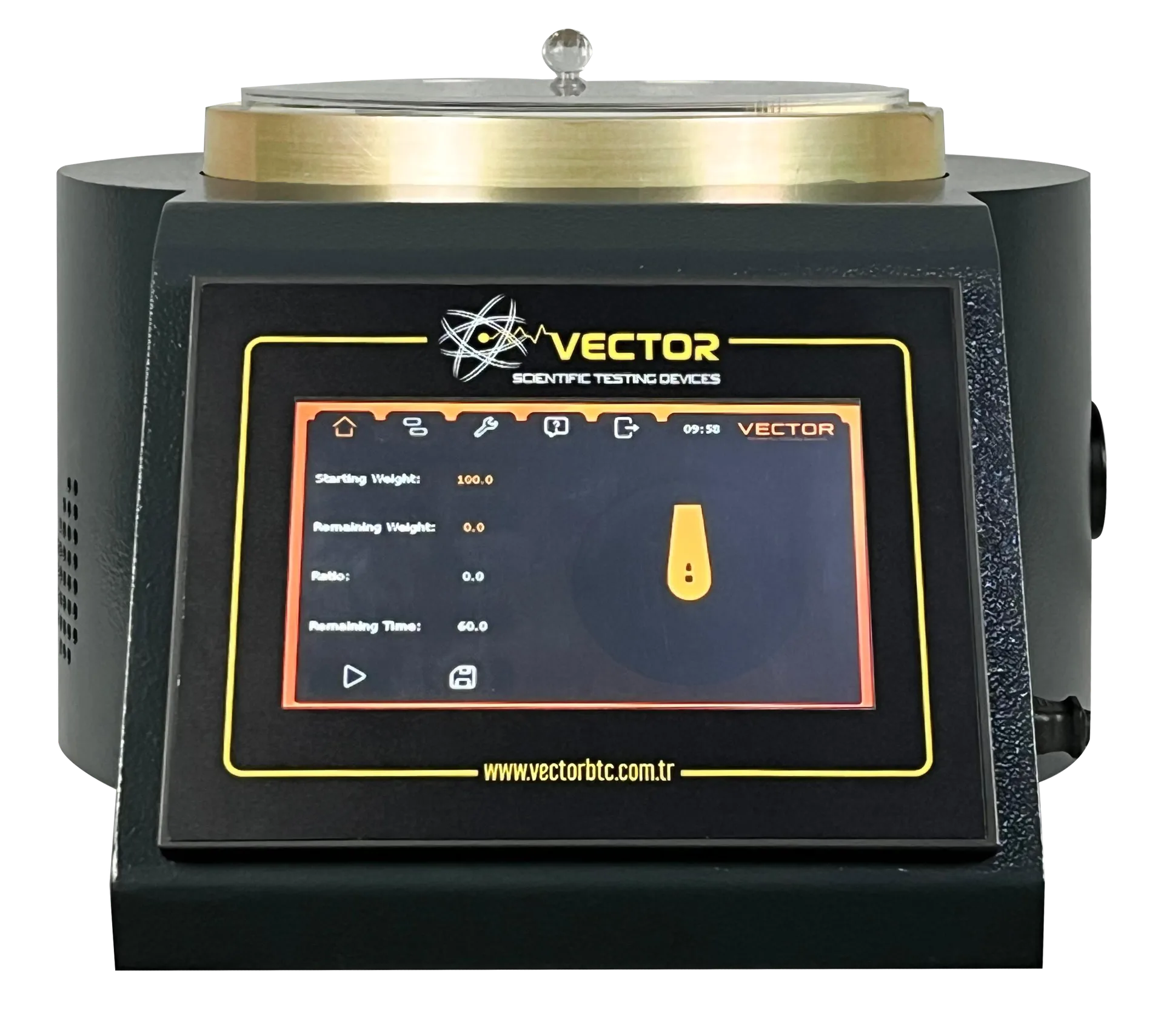
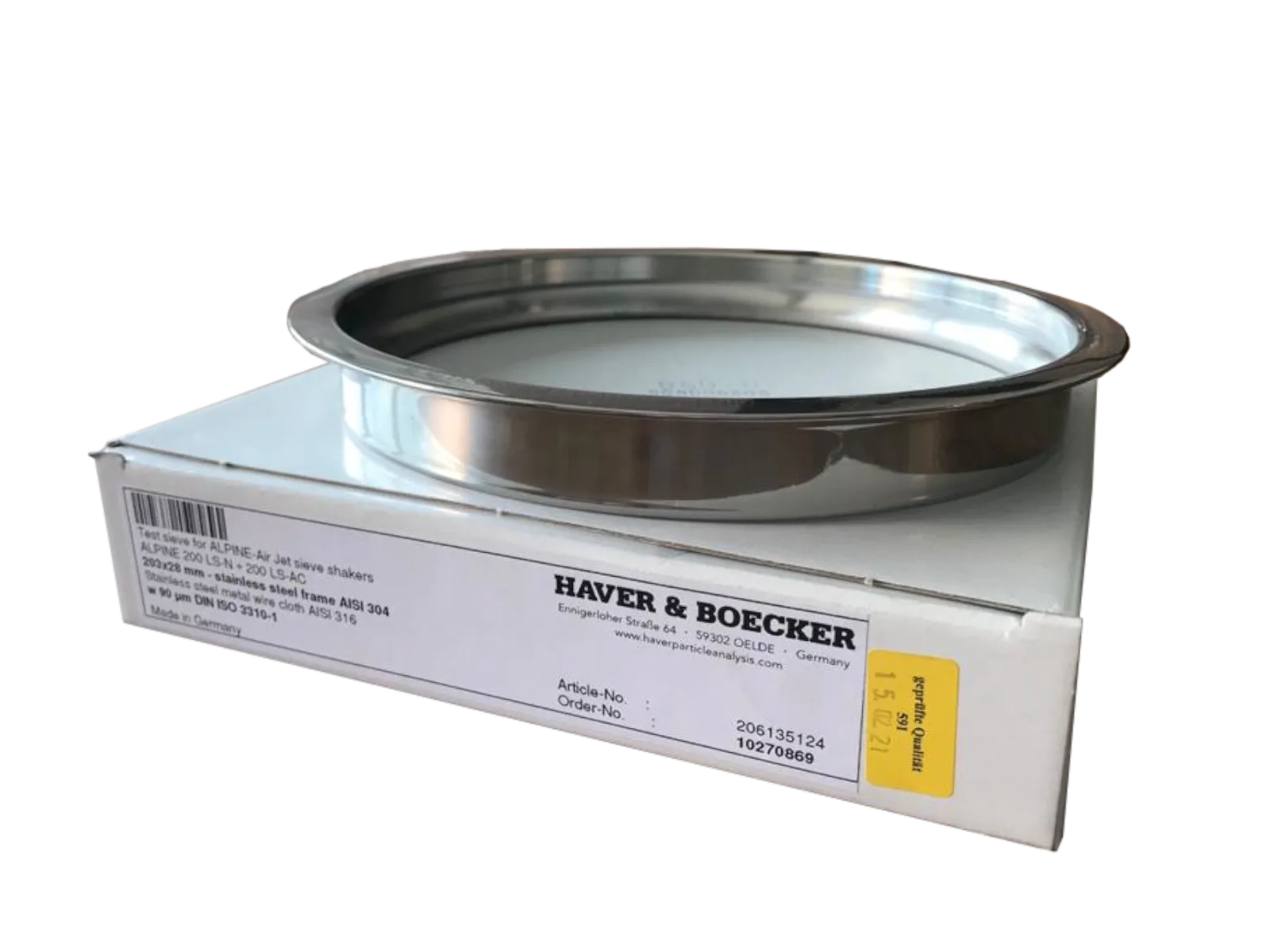
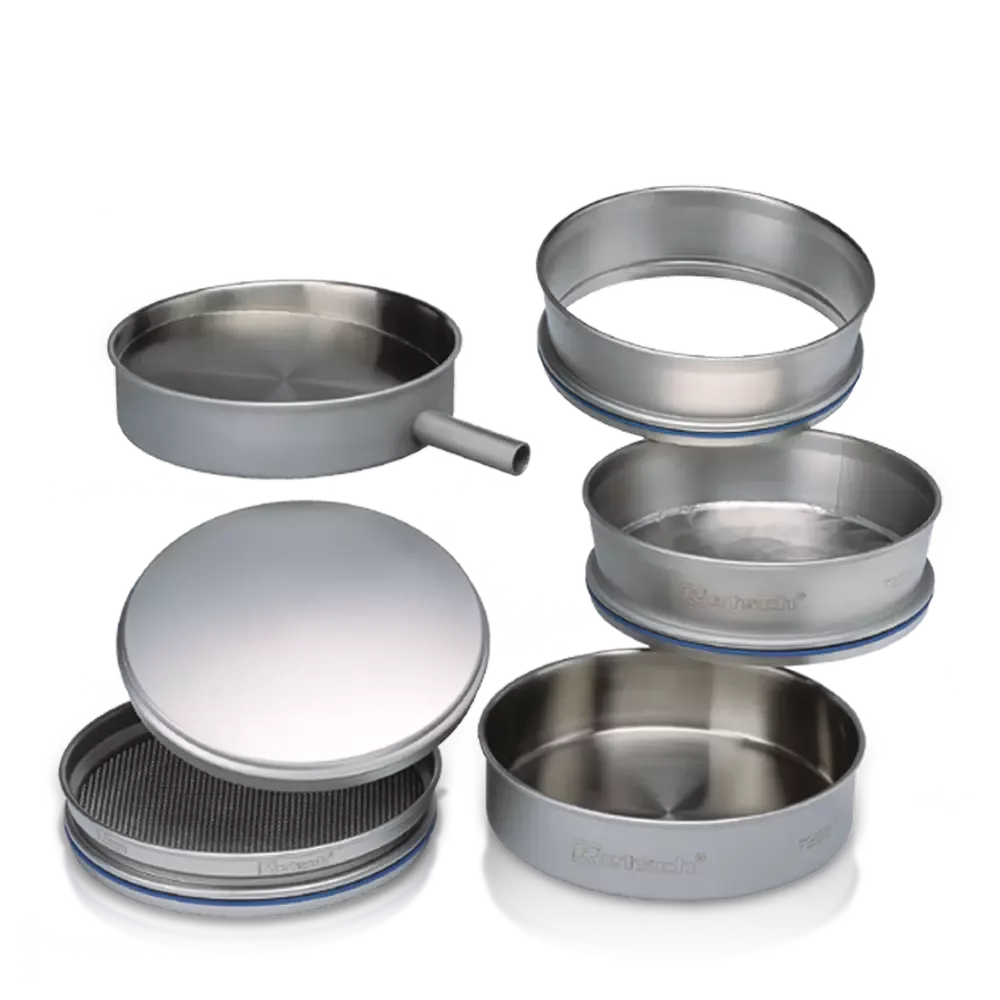
Vector air jet sieve and compatible woven wire test sieve sets
Summary
By replacing inefficient vibratory shaking and manual stopwatch vacuums with automated, digital-pressure-controlled, standard-compliant (ISO 3310-1 / ASTM E11) sieving — backed by Tesla Test Software documentation and user security — cement, chemical, food, and pharmaceutical laboratories establish a fast, dust-free, audit-ready particle size analysis workflow.
Devices & resources
Jump to the air jet sieve, complementary sieving systems, and the standards and definitions behind the method.
Upgrade your laboratory's sieving precision
Request a technical quote for the Vector air jet sieve and let our team size the vacuum, sieves, and accessories for your materials.
Request a technical quote